
A comprehensive electrical safety checklist for homeowners should include monthly GFCI outlet testing, inspecting cords for fraying, verifying smoke detector functionality, and checking for warm outlets. Additionally, homeowners should ensure their electrical panel is accessible and schedule a professional safety audit every 3–5 years to identify hidden wiring degradation.
The “Silent” Strain on Your Texas Home
It’s a typical afternoon in the Greater Houston area. The humidity is sitting at 90%, and your AC unit is humming along, drawing massive amounts of power to keep your living room at a crisp 72°F. Most of us don’t think about the miles of copper wiring behind our walls until something goes wrong—a flickering light, a tripped breaker, or worse, a burning smell.
In Texas, our homes face a unique electrical burden. The combination of intense heat waves and heavy reliance on high-powered HVAC systems means our wiring is under constant stress. At Valderrama A/C & Refrigeration, we believe safety shouldn’t be reactive. By following a proactive electrical safety checklist for homeowners, you can identify hazards before they turn into emergencies.
5 Signs Your Home’s Electrical Safety is Compromised
Before you grab the checklist, walk through your home and look for these immediate red flags:
- Dimming Lights: When the AC kicks on, the lights shouldn’t dip significantly.
- Discolored Outlets: Any yellowing or charring around a plug is a major fire hazard.
- Tingling Sensations: If you feel a “buzz” when touching a metal appliance, your grounding is failing.
- Persistent Breaker Trips: A breaker that trips once a week is a warning of an overloaded circuit.
- Acrid Odors: The smell of fish or burning plastic near an outlet is a 9-1-1 situation.
The 2026 Electrical Safety Checklist for Homeowners
Room-by-Room Inspections
- [ ] Kitchen & Bathrooms: Ensure all outlets within six feet of a water source are GFCI (Ground Fault Circuit Interrupter) protected. Test the “Reset” button monthly.
- [ ] Living Areas: Check that power strips are not “daisy-chained” (plugged into each other).
- [ ] Bedrooms: Ensure extension cords are not run under rugs or through doorways where they can be pinched and overheat.
- [ ] Attic & Crawlspaces: Inspect visible wiring for signs of rodent damage (chewed insulation).
Device & Cord Safety
- [ ] Cord Integrity: Throw away any cords with exposed wires or loose prongs.
- [ ] Appliance Airflow: Ensure your refrigerator and dryer have enough space behind them to prevent heat buildup.
- [ ] Bulb Wattage: Verify that the wattage of your light bulbs matches the fixture’s recommended limit.
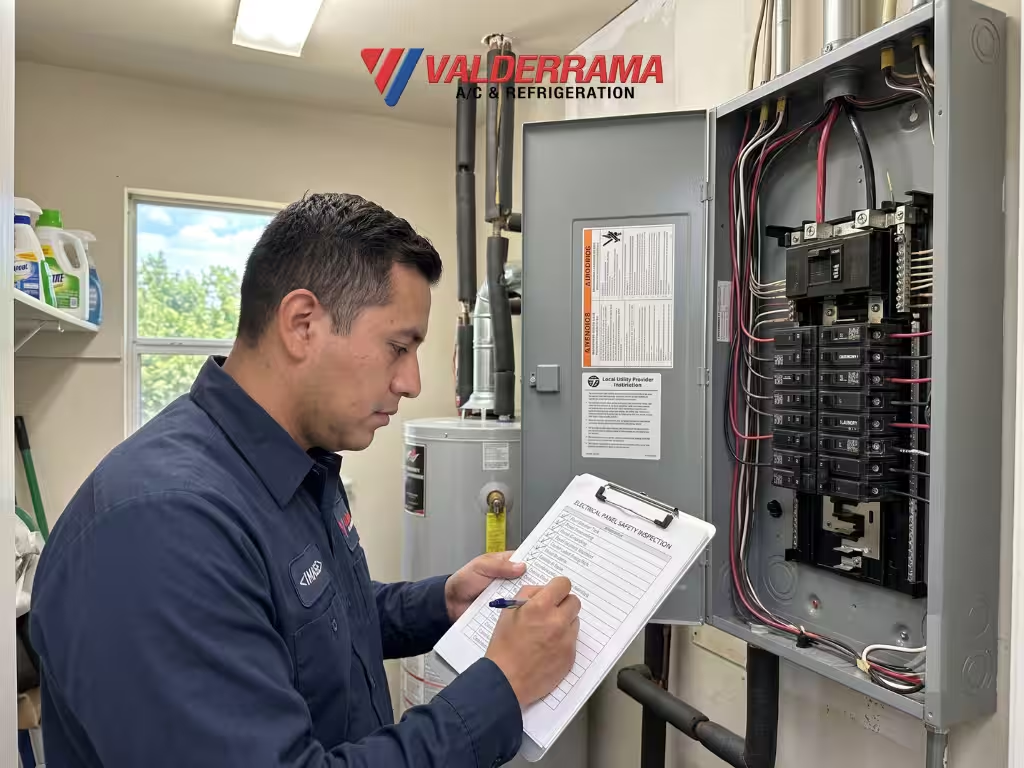
The Electrical Panel (The Heart of the Home)
- [ ] Clearance: Maintain at least three feet of clear space in front of your electrical panel.
- [ ] Labeling: Ensure every breaker is clearly labeled so you can cut power quickly in an emergency.
- [ ] Temperature: Feel the front of the breakers. They should be room temperature, not hot to the touch.
The Texas Factor: Humidity, Lightning, and the Grid
Our local environment is notoriously hard on electrical systems.
Humidity and Corrosion: In Southeast Texas, moisture is a constant threat. High humidity can lead to “arcing” in outdoor junction boxes and faster corrosion of copper connections. This increases resistance, which creates heat—the primary cause of electrical fires.
Thunderstorm Alley: Texas leads the nation in lightning strikes. A single nearby strike can send a massive surge through your home’s wiring, frying the sensitive control boards in your high-efficiency AC unit. This is why our electrical safety checklist for homeowners strongly emphasizes whole-home surge protection.
DIY Checks: What You Can Safely Do Today
You don’t need a toolbelt to improve your home’s safety.
- The “Hand” Test: Gently touch your outlet covers. If they feel warm, there is a loose connection behind the wall.
- The “Test” Button: Go to your bathrooms and hit the “Test” button on the GFCI outlets. If they don’t click off, they aren’t protecting you from shocks.
- The “Visual” Audit: Look at your outdoor AC disconnect box. If it’s rusted or falling off the wall, it’s a hazard to your cooling system.
When to Call a Professional Electrician
While a checklist is a great start, certain tasks are strictly for licensed experts. You should call Valderrama A/C & Refrigeration if:
- You are installing a new high-SEER2 HVAC system and need a panel audit.
- Your home still has aluminum wiring or a “Federal Pacific” brand panel.
- You hear buzzing or sizzling sounds inside your walls.
- You want to install a dedicated circuit for an EV charger or a workshop.
To ensure your home is fully protected against the Texas heat, we recommend booking a comprehensive electrical safety inspection to catch hidden hazards that a visual checklist might miss.
FAQ: Home Electrical Safety in Texas
Q: How often should I have my home rewired?
A: Most copper wiring lasts 50+ years, but the insulation can degrade much sooner in hot Texas attics. We recommend a professional inspection every 10 years for homes over 30 years old.
Q: Why does my breaker trip only when it’s hot outside?
A: Your AC unit draws more power as it fights the outdoor heat. If your breaker trips, it likely means your AC is struggling or the circuit is undersized.
Q: Is it okay to use extension cords permanently?
A: No. Extension cords are for temporary use only. If you need a permanent power source, a licensed electrician should install a new outlet.
Q: Do I really need whole-home surge protection?
A: In Texas, yes. It protects not just your TV, but your HVAC system, refrigerator, and smart home devices from grid fluctuations and lightning.
Q: What is the most common cause of electrical fires in Texas?
A: Arcing from loose connections and overloaded circuits—both of which are preventable with regular maintenance.
Secure Your Peace of Mind
Your home is your sanctuary, and its electrical system is the engine that keeps it running. By following this electrical safety checklist for homeowners, you’re taking a vital step toward protecting your property and your loved ones.
At Valderrama A/C & Refrigeration, we are your local Texas experts in both comfort and safety. We understand the intersection of high-demand cooling and electrical integrity.
Ready for a safer, more efficient home?
Schedule your Professional Electrical Safety Audit today!
Call us at (281) 974 – 4599 for immediate priority service in Texas!