
The best heating and air conditioning unit for most homeowners is a variable-speed heat pump system or a high-efficiency dual-fuel system (heat pump paired with a gas furnace). Look for units with a SEER2 rating of 16+ and multi-stage or inverter technology to maximize efficiency, lower utility bills, and maintain optimal indoor humidity control year-round.
Few things disrupt home comfort faster than an aging HVAC system that sputters during a damp winter freeze or struggles through a 100°F heatwave. When your energy bills climb while your living room remains uncomfortably drafty or humid, it is natural to ask: what’s the best heating and air conditioning unit on the market today?
With dozens of HVAC brands, varying efficiency ratings, and multiple system configurations to choose from, selecting the right unit can feel like a daunting task. However, there is no single “magic” unit for every house—the ideal choice depends on your climate, duct system, energy costs, and comfort needs.
Navigating these technical choices is much easier when you partner with experienced local specialists like Valderrama A/C & Refrigeration, who understand the exact heating and cooling demands of Greater Houston homes. In this guide, we break down top-performing system types, key efficiency metrics, and how local weather shapes your choice.
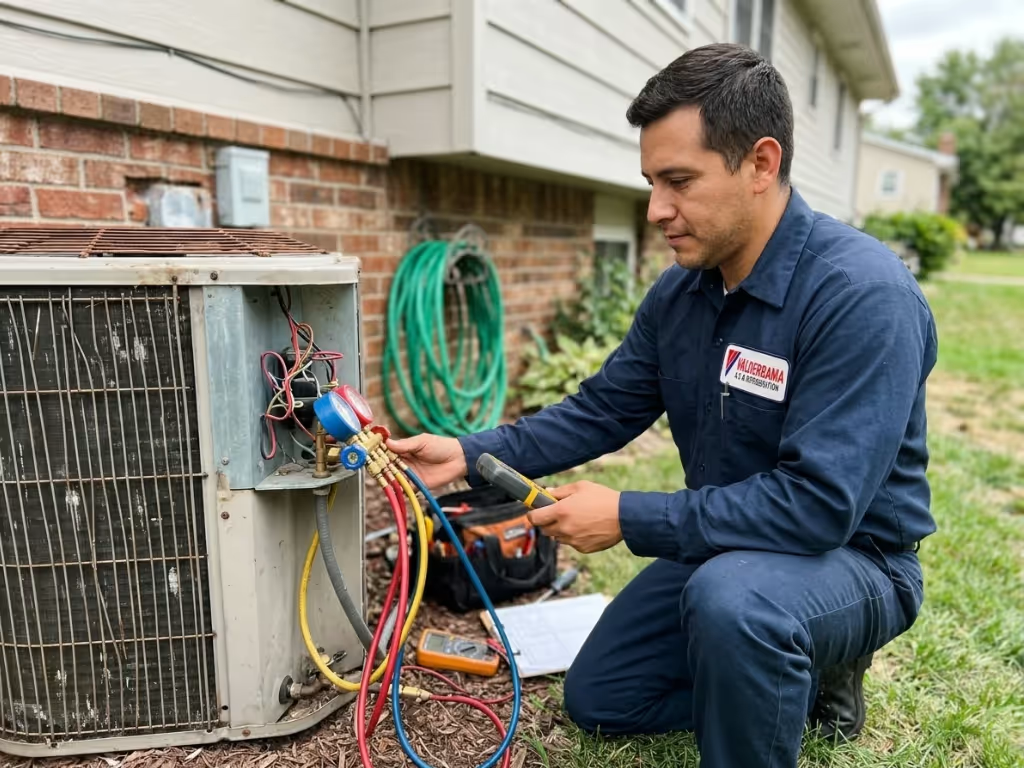
Top Types of Heating and Cooling Systems Compared
Understanding how different HVAC systems operate helps you select equipment that provides long-term reliability and low operating costs.
1. Inverter-Driven Heat Pumps (Best Overall Efficiency)
Modern heat pumps operate as both an air conditioner in the summer and a heater in the winter. Instead of generating heat through electric coils or combustion, they extract ambient heat from the outside air and transfer it indoors.
- Pros: Exceptional energy efficiency, dual cooling/heating capability, superior humidity control.
- Cons: Heating efficiency drops slightly during extreme, prolonged freezing conditions.
2. Dual-Fuel Hybrid Systems (Best for Ultimate Year-Round Comfort)
A dual-fuel system combines an electric heat pump with a high-efficiency gas furnace. The system automatically selects the heat pump for mild winter days and switches over to gas heat during severe cold snaps.
- Pros: Optimal fuel economy, fast heating response, unmatched winter comfort.
- Cons: Higher initial equipment investment.
3. Split Gas & Electric Systems (Most Common Standard)
This traditional arrangement pairs an outdoor central AC condenser with an indoor gas furnace. It remains widely installed across North America due to its proven performance and lower upfront purchase cost.
- Pros: Dependable, intense heating capacity; widely available replacement parts.
- Cons: Less energy efficient during mild winter spells than modern heat pumps.
4. Packaged HVAC Systems (Best for Compact Spaces)
Packaged units combine all heating and cooling components into a single outdoor cabinet, typically mounted on a concrete pad or roof.
- Pros: Saves indoor square footage, ideal for homes without attic space or mechanical closets.
- Cons: Higher exposure to weather and external elements can reduce overall system lifespan.
Key Features That Define the “Best” Unit
When evaluating what’s the best heating and air conditioning unit for your budget, look past brand logos and focus on these critical technical specifications:
| Feature | Single-Stage (Basic) | Two-Stage (Mid-Range) | Variable-Speed Inverter (Best) |
| Operating Capacity | 100% On or Off | High (100%) & Low (~65%) | Precise adjustment (25% – 100%) |
| Humidity Removal | Moderate | High | Superior |
| Temperature Consistency | Hot/Cold Spikes | Consistent | Near-Perfect |
| Energy Usage | Standard | Reduced | Lowest Possible |
How Houston Climate Challenges Impact Your Choice
Equipment that works well in mild climates often struggles along the Texas Gulf Coast. In Houston, TX, environmental factors place unusual demands on residential HVAC units:
High Humidity and Prolonged Heat Waves
Houston experiences long summers with high relative humidity. Single-stage systems shut off as soon as the temperature setpoint is hit, leaving excess moisture behind. A variable-speed heating and cooling unit runs continuously at lower capacities, steadily pulling latent humidity out of the indoor air so 74°F feels crisp and cool rather than sticky.
Damp Winter Cold Snaps
While Houston winters are generally mild, coastal humidity creates a “damp cold” that makes 45°F feel freezing inside drafty homes. Heat pumps equipped with auxiliary electric heat or hybrid gas furnaces deliver rapid, cozy warmth without overworking your electrical panel.
5 Signs You Need Heating System Replacement
If you are exploring new equipment options because your existing heating unit is unreliable, look out for these five indicators that replacement is smarter than ongoing repairs:
- System Age Over 12–15 Years: High annual operating hours in Texas accelerate system wear, reducing overall operating efficiency over time.
- Cold Spots or Uneven Airflow: Drafts or varying temperatures between rooms point to failing blower motors, improper sizing, or damaged ductwork.
- Frequent or Rising Repair Bills: Spending hundreds of dollars annually to patch up aging compressors, heat exchangers, or capacitors is rarely cost-effective.
- Sudden Spikes in Monthly Electric or Gas Bills: A sudden increase in energy usage without changes in weather signals lost system efficiency.
- Noisy Operation or Unusual Scents: Loud squeal sounds, grinding noises, or persistent burning smells indicate mechanical wear or failing internal motors.
If your equipment shows any of these warning signs, explore how modern upgrades restore comfort with our professional Heating and Air Conditioning solutions designed for Greater Houston properties.
DIY Checks to Perform Before Buying a New Unit
Before purchasing a replacement system, complete these straightforward preliminary steps to ensure your new investment operates at maximum efficiency:
- Inspect Attic Ductwork: Leaky or uninsulated ducts can waste up to 30% of conditioned air, diminishing the benefits of even the best high-efficiency system.
- Seal Air Leaks: Drafty windows and unsealed doors introduce humid outdoor air, forcing your unit to work harder.
- Verify Thermostat Capabilities: Ensure your existing thermostat supports multi-stage or variable-speed equipment, or prepare to upgrade to a smart control panel.
- Clear Outdoor Condenser Area: Ensure at least two feet of open space around your outdoor unit so airflow is not restricted by foliage or debris.
Why Choose Valderrama A/C & Refrigeration?
Finding the best heating and air conditioning unit for your home is only part of the equation—the quality of installation dictates how well that equipment performs for decades. When you trust Valderrama A/C & Refrigeration, you partner with certified local technicians who perform precise Manual J load calculations to size your system correctly. We deliver clean, transparent, high-quality installations tailored specifically to local humidity and weather demands.
Frequently Asked Questions
What brand of central heating and air conditioning unit is most reliable?
Top brands like Trane, Carrier, Lennox, and Rheem offer excellent build quality. However, industry research confirms that proper installation quality impacts long-term reliability far more than the manufacturer brand name.
Is a heat pump better than a furnace in Texas?
Yes, for most Greater Houston homes, heat pumps offer higher annual efficiency because Texas winters are mild. Dual-fuel systems (heat pump plus gas furnace backup) are also popular for homeowners who prefer intense gas warmth during cold spells.
What SEER2 rating should I look for in a new unit?
In Texas, the minimum legal requirement is 14.3 SEER2 (for split AC), but choosing a unit between 16 and 20 SEER2 provides superior energy savings and moisture control.
How long does a new heating and cooling unit last?
With regular annual preventive maintenance, modern central HVAC units typically last between 12 and 18 years. High humidity and salt air can reduce lifespan if system care is neglected.
How do I know what size heating unit my home needs?
System size (measured in tons or BTUs) must be calculated based on your home’s total square footage, ceiling height, insulation quality, and window orientation using a professional Manual J calculation.
Ready to optimize your indoor climate and lower your energy costs?
Schedule Your Precision HVAC System Inspection Now!
Call our team today at (281) 974 – 4599 to speak with an experienced specialist and confirm your service visit