
A commercial refrigerator typically leaks water due to a clogged or frozen condensate drain line, an overflowing evaporator drain pan, or damaged magnetic door gaskets that let humid air inside. In Texas, high humidity accelerates condensation buildup, making regular drain line clearing essential to prevent pooling.
The Kitchen Floor Slip Hazard
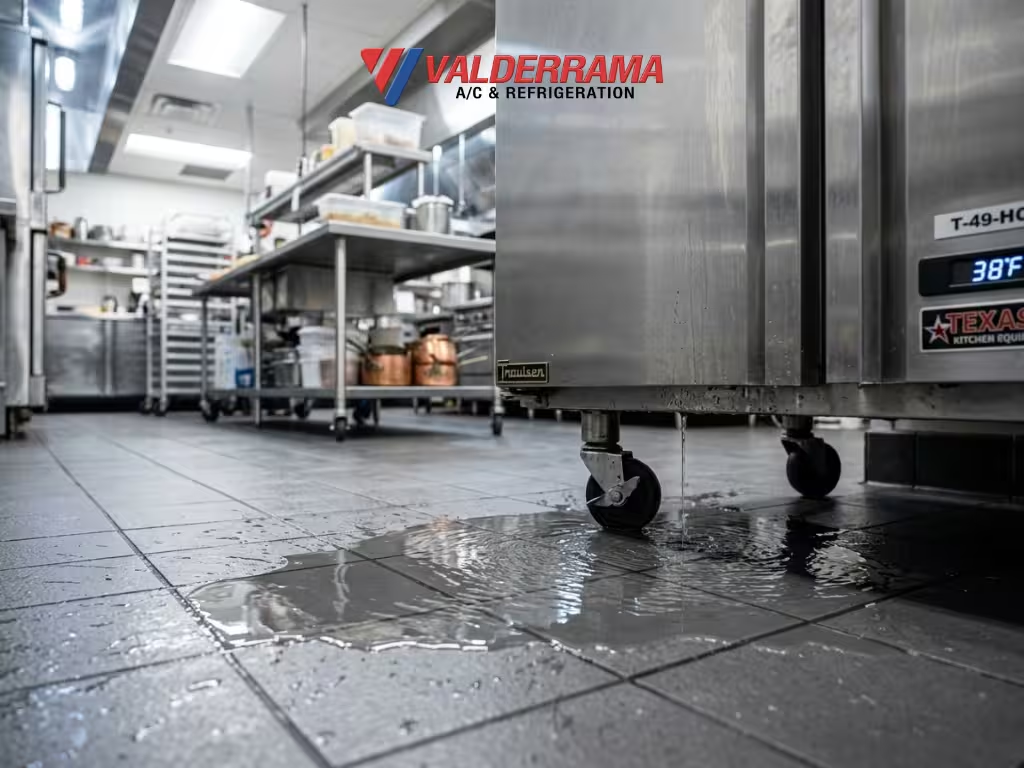
We’ve all seen it happen: It’s the middle of a frantic weekend dinner rush. The line is moving at top speed, tickets are stacking up, and a server slides around the back of the prep line—only to splash right into a steady puddle of water pooling underneath the reach-in refrigerator. You wipe it up with a towel, but twenty minutes later, the puddle is back.
In a residential home, a puddle near the fridge is a minor annoyance. In a fast-paced commercial Texas kitchen, grocery store, or food facility, it is an immediate crisis. It is a major slip-and-fall liability, a magnet for local health department fines, and a warning shot that your cooling system is failing to balance moisture. If you are tracking down why is my fridge leaking water, you need answers that protect your staff and your bottom line. At Valderrama A/C & Refrigeration, we know that structural water leaks are often a symptom of a deeper thermodynamic or drainage issue that needs immediate attention.
Our Commercial Refrigeration Service Explained
When water escapes your cooling cabinet, it means the system’s moisture-evacuation loop has broken down. Our comprehensive commercial service goes far beyond simply wiping up the floor. When our licensed technicians step into your facility, we trace the entire path of your system’s water disposal network. We clear internal drain lines, test defrost heaters, check pan vaporization elements, and verify that your system is sealed completely tight against the harsh outside environment.
The Texas Factor: Managing Extreme Latent Moisture
Operating commercial refrigeration in the Lone Star State presents unique challenges. Houston’s intense heat and suffocating humidity place extreme strain on AC and refrigeration systems.
Every single time your kitchen staff opens a reach-in prep door or steps inside a walk-in cooler, a wave of moisture-laden Texas air rushes into the cold cabinet. Your refrigerator’s cold evaporator coils instantly pull this moisture from the air, turning it into liquid water. Under normal conditions, this water flows smoothly outside via a drain path. However, our heavy regional humidity means your commercial system generates gallons of condensation daily. If your drain lines are narrowed by even a fraction of an inch due to slime or dust, the system instantly overflows onto your floor.
5 Signs You Need Commercial Refrigeration Service
Don’t wait for your kitchen to flood entirely. Look out for these early warning signs that your unit’s water management system is failing:
- Rust or Corrosion Along the Bottom Frame: Discolored metal panels or flaking paint near the engine compartment where pooling water sits hidden.
- Ice Sheets on the Box Floor: Water freezing into a solid sheet of slick ice along the bottom interior of a walk-in or reach-in unit.
- A Constant Earthy, Musty Odor: Water trapped in hidden pans or behind insulation blankets creating a perfect breeding ground for mold and mildew.
- Soggy or Wet Product Packaging: Cardboard boxes or storage crates sitting on low shelves absorbing water dripping from upper fan shrouds.
- Frequent Compressor Short-Cycling: The unit turning on and off rapidly as it struggles to manage an ice-choked evaporator coil.
Why Is My Fridge Leaking Water? The Core Causes
If your commercial unit is leaking, the issue almost always stems from one of these three structural operational failures:
1. A Clogged or Blocked Condensate Drain Line
This is the single most common culprit in commercial kitchens. As air circulates through the unit, it carries tiny particles of airborne flour, food dust, and yeast. When these particles mix with the wet environment of your evaporator drain pan, they form a thick, gelatinous algae slime known as a “biological clog.” This slime blocks the narrow drain pipe, forcing the water to back up and spill over the edges of the internal pan directly onto your floor or interior stock.
2. Frozen Evaporator Coils and Pans
If your unit’s automated defrost timer fails, or if a fan motor slows down, the moisture pulled from the air doesn’t drain—it freezes instantly onto the aluminum fins. Eventually, this ice block grows so massive that it bridges over the drain pan completely. When the unit goes through a natural temperature shift, top layers of the ice block melt rapidly, overtopping the system’s containment barriers because the main drain opening is locked behind a wall of ice.
3. Worn or Torn Magnetic Door Gaskets
If your door seals are cracked, twisted, or missing chunks of rubber, they can no longer maintain a tight, vacuum-sealed barrier against your kitchen’s hot ambient air. A continuous draft of warm, humid kitchen air will leak into the box, causing the cooling system to over-condense. The unit simply creates more water vapor than the internal drain pan and vaporization lines were physically engineered to process, leading to continuous external overflow.
The Operational Benefits of Professional Repair
Investing in a professional fix does more than just dry out your workspace. It delivers a direct boost to your business efficiency:
- Elimination of Liability: Drastically reduces the risk of costly worker’s compensation claims due to slips on greasy, wet kitchen tiles.
- Protected Food Safety: Stops water from dripping onto open prep tables or raw ingredients, maintaining strict compliance with Texas health safety standards.
- Reduced Energy Expenditures: When your drain paths are clear and your gaskets are sealed tight, your compressors run shorter, highly efficient cycles, slashing your monthly utility overhead.
To keep your kitchen firing on all cylinders and ensure minor blockages don’t evolve into catastrophic system burnouts, we highly recommend our commercial refrigeration service designed to keep your drainage networks operating flawlessly.
Why Choose Valderrama A/C & Refrigeration?
We understand that commercial operators cannot afford to wait around for slow, uncertified maintenance handymen when a leak threatens operations. When you trust us with your commercial infrastructure, you get:
- 24/7 Rapid Emergency Response: We move our commercial partners straight to the front of the queue during active cooling or flooding crises.
- Transparent, Line-Item Invoicing: Honest, upfront pricing estimates before any physical mechanical work begins.
- Unmatched Technical Depth: Technicians specifically trained to handle the high thermal demands and regulatory codes unique to Texas commercial properties.
FAQ: Commercial Refrigeration Leak Troubleshooting
Q: Can I use standard bleach to clear a commercial refrigerator drain line?
A: We do not recommend it. Strong chemical bleach can rapidly corrode the copper lines or degrade plastic drain components found in modern commercial refrigeration setups. We use specialized, EPA-approved antimicrobial tabs and high-pressure nitrogen flushes to clear blockages safely.
Q: Why is my walk-in cooler leaking from the ceiling panel joints?
A: This usually indicates that the roof insulation panel has split or the perimeter silicone seal has worn away, allowing hot, humid kitchen or outdoor air to collide with the cold interior ceiling, causing heavy structural condensation.
Q: How often should our kitchen crew clean our refrigerator drain pans?
A: While your staff should visually inspect pans monthly, your commercial drainage pathways and vaporization loops should be professionally flushed and sanitized at least once every 3 months (quarterly) to stop algae clogs before they form.
Q: Does a leaking refrigerator mean the system is low on refrigerant?
A: Not necessarily. While a low refrigerant charge can cause coils to freeze up and eventually leak water as they melt, most puddles are caused by simple physical blockages in the drain lines or failed door seals.
Q: Do you service commercial ice makers that are leaking water?
A: Yes. We provide full mechanical diagnostics, scale removal, line clearing, and component repairs for all major commercial ice machine brands, display merchandisers, and walk-in freezers across Texas.
Dry Out Your Floors and Secure Your System
Don’t let a mystery puddle jeopardize your kitchen’s safety or compromise your local health department status. Knowing the mechanical triggers behind why is my fridge leaking water gives your team the ultimate operational advantage: the insight to call for a precise repair before a minor overflow turns into an incredibly expensive stock loss.
Are your kitchen floors starting to look like a slip hazard?
Schedule your Professional Commercial Refrigeration Diagnostic Visit today!
Call our team right now at (281) 974 – 4599 for immediate priority emergency dispatch across Texas!