
To keep your system running efficiently, the most important heat pump maintenance tips include changing air filters every 1–3 months, keeping the outdoor unit clear of debris, and cleaning the coils annually. Additionally, ensuring your thermostat is set correctly and scheduling professional bi-annual tune-ups can prevent 90% of common system failures.
The Houston “Humidity Hustle”: Why Maintenance is Non-Negotiable
We’ve all been there: It’s a swampy July afternoon in the Greater Houston area, and the heat feels like a heavy blanket. You walk into your home, and instead of a crisp, dry oasis, it feels just as “sticky” as the porch. In our region, your heat pump is the hardest working appliance in your house. It doesn’t just cool; it dehumidifies.
Because heat pumps in Texas work almost year-round—switching from cooling to heating during those sudden “Blue Norther” cold snaps—they age faster than systems in milder climates. At Valderrama A/C & Refrigeration, we’ve found that a few simple heat pump maintenance tips can be the difference between a minor $50 filter change and a $5,000 compressor replacement.
5 Signs You Need Heat Pump Maintenance Right Now
Before diving into the “how-to,” check if your system is already crying for help:
- Rising Energy Bills: Your usage hasn’t changed, but your bill is creeping up.
- Ice on the Coils: You see frost on the outdoor unit even when it isn’t freezing.
- Strange Noises: Squealing, grinding, or loud “thumping” sounds.
- Inconsistent Airflow: Some rooms are freezing while others stay muggy.
- Frequent Cycling: The unit turns on and off every few minutes (short-cycling).
Top 10 DIY Heat Pump Maintenance Tips
1. Master the Filter Change
In the Bayou City, dust and pollen are constant. A clogged filter chokes your system, forcing it to work harder and use more electricity.
- Tip: Check your filter every 30 days. If it’s gray or dusty, replace it.
2. Create a “No-Fly Zone” Around the Outdoor Unit
Your heat pump needs to “breathe” to transfer heat effectively.
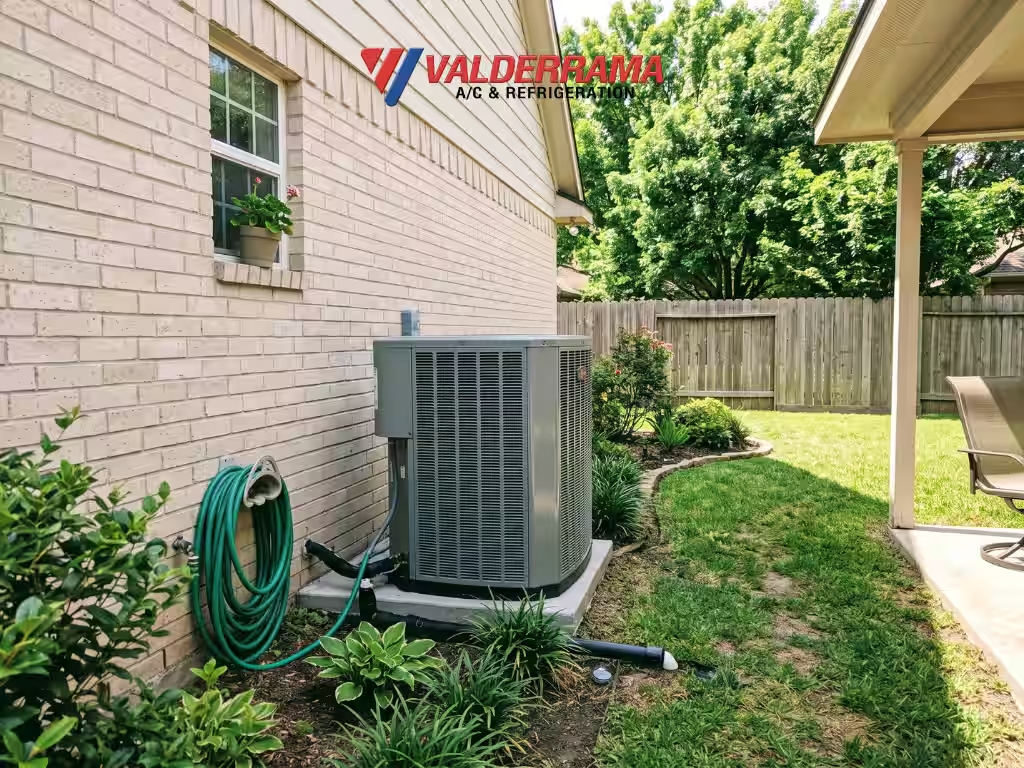
- Tip: Maintain at least two feet of clear space around your outdoor unit. Remove weeds, fallen leaves, and grass clippings.
3. Clean the Outdoor Coils Gently
Salt air and Houston dust can coat your coils, acting like an insulator that prevents cooling.
- Tip: Once a month, use a garden hose (never a pressure washer!) to gently rinse away dirt from the outdoor fins.
4. Inspect the Condensate Drain
Our high humidity produces a lot of water. If the drain line clogs with algae, it can back up into your home or trigger a safety switch that kills your power.
- Tip: Look for standing water in the drain pan. A cup of vinegar down the line every few months can help prevent clogs.
5. Check the Thermostat Accuracy
Sometimes the “breakdown” is just a faulty reading.
- Tip: Ensure your thermostat isn’t located near a lamp or a drafty window, which can cause false readings and waste energy.
6. Keep Vents and Registers Open
Blocking vents doesn’t save money; it creates “back pressure” that can damage your blower motor.
- Tip: Ensure at least 80% of your home’s vents are fully open and unobstructed by furniture or drapes.
7. Inspect Fan Blades
Debris can sometimes get stuck in the top of the outdoor unit.
- Tip: Turn off the power at the disconnect switch and check for twigs or leaves that might be unbalancing the fan.
8. Monitor the Defrost Cycle
In winter, it’s normal to see steam rising from your unit—that’s the defrost cycle melting frost.
- Tip: If the unit stays encased in ice for more than an hour, the defrost sensor may be failing.
9. Check the Electrical Disconnect
Ensure the outdoor power box is securely closed and hasn’t been tampered with by pests.
- Tip: Houston fire ants love electrical boxes! Check for ant mounds near your unit.
10. Schedule Professional Tune-Ups
Some things simply require a technician’s tools.
- Tip: A professional can check refrigerant levels and tighten electrical connections that a homeowner can’t see.
The Houston Factor: Why Local Climate Matters
Our local weather places extreme strain on HVAC systems. The combination of high humidity and coastal salt air can lead to “pitting” or corrosion on the copper and aluminum parts of your heat pump.
While a system in a dry climate might last 20 years with minimal care, a Houston heat pump needs proactive attention to reach its full life expectancy. Regular maintenance ensures your system can continue to pull moisture out of the air, keeping your indoor humidity below 50%—the “sweet spot” for preventing mold growth.
When to Call a Professional
While these heat pump maintenance tips will help you handle the basics, you should call Valderrama A/C & Refrigeration if you notice:
- Refrigerant leaks (hissing sounds).
- Electrical burning smells.
- The unit fails to switch between “Heat” and “Cool” modes.
To ensure your system is truly “Houston-ready,” we recommend a comprehensive professional heat pump maintenance inspection twice a year—once in the spring and once in the fall.
FAQ: Heat Pump Maintenance in Houston
Q: Does a heat pump really need service twice a year?
A: Yes. Because a heat pump works for both heating and cooling, it doesn’t get a “break” like a furnace does. Bi-annual service ensures both cycles are efficient.
Q: Can I use a garden hose to clean the indoor coils?
A: No! Indoor coils are delicate and located inside your air handler. These should only be cleaned by a professional to avoid water damage to your home.
Q: Why is my heat pump blowing “lukewarm” air in the winter?
A: Heat pumps produce air around 90-100°F, which is lower than a gas furnace (120°F+). It’s perfectly normal, but if it feels cold, you may have a refrigerant issue.
Q: How long should a heat pump last in Houston?
A: With proper maintenance, you can expect 15–20 years. Without it, the humidity can cut that life down to 10 years.
Q: Is “Emergency Heat” expensive to run?
A: Very. “EM Heat” uses electric resistance strips, which can triple your energy bill. Use it only if the heat pump has completely failed.
Protect Your Investment Today
Your heat pump is a precision machine designed to protect your family from the Texas elements. By following these heat pump maintenance tips, you’re not just saving money—you’re ensuring your peace of mind.
At Valderrama A/C & Refrigeration, we treat every home like our own. Our technicians are experts in the specific challenges facing Greater Houston residents.
Ready to maximize your system’s efficiency?
Schedule your professional Heat Pump Tune-Up now!
Call us at (281) 974 – 4599 to learn about our seasonal maintenance plans!