
Yes, 72°F is a comfortable temperature for heat in the winter, but it is slightly higher than the U.S. Department of Energy’s recommended setting of 68°F. Keeping your thermostat at 72°F provides consistent warmth, but dropping it to 68°F (or lower at night) can lower your heating bill by 7% to 10% each season.
Winter in Pearland, TX may not bring feet of snow, but when gulf breezes shift to sudden damp, chilly cold fronts, keeping your home warm becomes an immediate priority. When you head to your thermostat to beat the chill, you might wonder: Is 72 a good temperature for heat in the winter?
Setting your thermostat to 72°F feels like the sweet spot for many families. However, finding the balance between staying cozy and preventing skyrocketing energy bills isn’t always straightforward. In this guide, we break down how 72°F impacts your comfort, your electric bills, and your HVAC unit’s lifespan—plus how Pearland’s unique climate changes the heating equation.
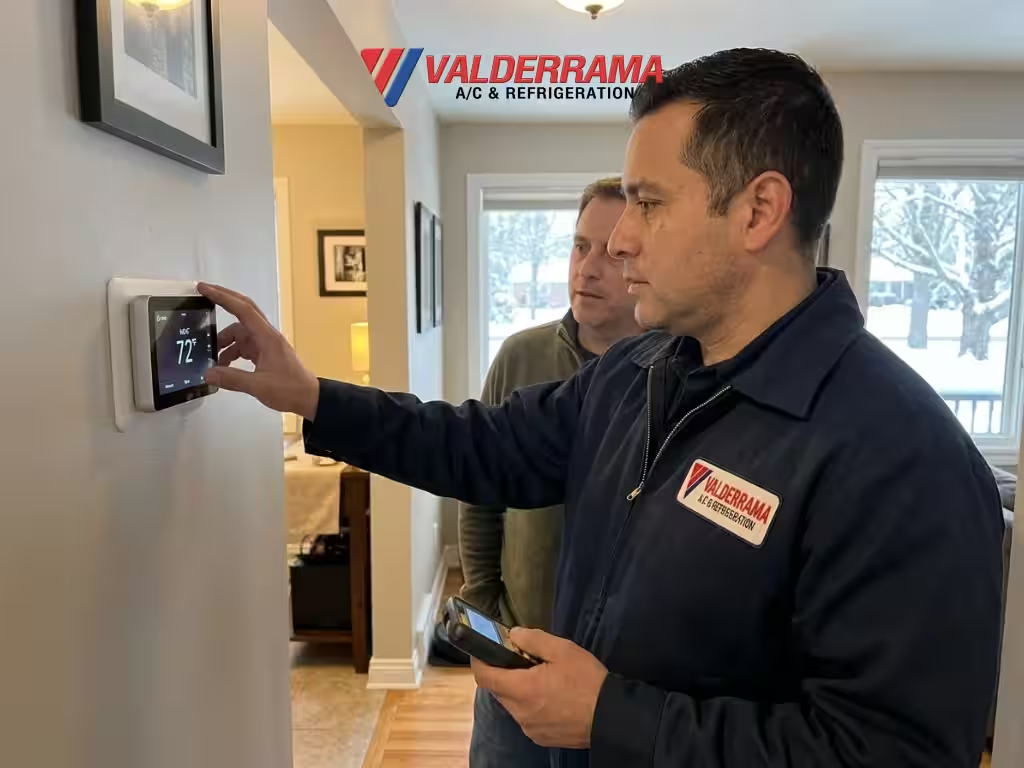
Is 72°F Too High for Winter Heating?
Setting your heat to 72°F is not inherently bad for your furnace or heat pump, but whether it is the right setting depends on your priorities: maximum comfort or maximum energy savings.
1. Comfort vs. Efficiency
While 72°F ensures everyone can lounge in a t-shirt without shivering, HVAC industry standards and energy experts generally recommend setting your winter thermostat to 68°F while awake and at home.
For every degree you raise your thermostat above 68°F during cold weather, your heating system consumes roughly 3% to 5% more energy. Running your heat at 72°F instead of 68°F means your system operates around 12% to 20% harder, noticeably increasing your monthly utility expenses.
2. Day vs. Night Temperature Settings
You do not need to keep your thermostat at a single static temperature all day long. A smart, energy-efficient heating schedule usually looks like this:
| Time of Day | Recommended Setting | Why It Works |
| Daytime (At Home) | 68°F – 70°F | Provides optimal balance between warmth and monthly utility savings. |
| Daytime (Away) | 62°F – 65°F | Avoids wasting energy heating an empty house without letting walls cool down completely. |
| Nighttime (Sleeping) | 62°F – 65°F | Promotes deeper sleep cycles and maximizes winter energy conservation. |
How 72°F Affects Heat Pumps in Pearland, TX
Because Pearland and the greater Houston area rely heavily on heat pumps rather than traditional natural gas furnaces, thermostat settings require extra attention during local cold snaps.
The Heat Pump “Auxiliary Heat” Trap
Heat pumps work by extracting ambient heat from the outside air and moving it indoors. When outdoor temperatures drop into the 30s or low 40s in Pearland, a heat pump works harder to maintain indoor heat.
If you set your thermostat to 72°F—or abruptly jump the temperature from 65°F straight up to 72°F—your system may trigger its Auxiliary Heat (Emergency Heat) strips. Auxiliary heat uses electric resistance coils (similar to a giant toaster) which consume massive amounts of electricity and can cause sudden spikes in your power bill.
Humidity and Cold Damps
Pearland’s winter cold is often accompanied by high coastal humidity. Moist, damp air feels colder against the skin than dry air at the same temperature. As a result, 68°F in coastal Texas often feels cooler than 68°F in a dry environment. Setting your thermostat to 72°F helps eliminate that damp, cold feeling, but keeping humidity properly balanced indoors helps 68°F feel much warmer.
5 Signs You Need Professional Heating Service
If setting your thermostat to 72°F still leaves your house feeling chilly or causes unusual system behavior, your HVAC system may be struggling. Look out for these five warning signs:
- Uneven Heating Across Rooms: Some rooms feel like a sauna while bedrooms remain cold, indicating duct leaks or airflow restriction.
- Constantly Running System: Your heat pump or furnace runs continuously without ever reaching the 72°F setpoint.
- Frequent Auxiliary Heat Activation: Your thermostat constantly displays “AUX Heat” or “Em Heat” during mild winter weather.
- Spike in Monthly Utility Bills: A sudden jump in energy costs without a change in weather usually points to failing components or dirty coils.
- Strange Odors or Noises: Burning smells, squeaking, or rattling when the heat kicks on signal mechanical wear or dust buildup inside the furnace burners.
If your system displays any of these symptoms, don’t wait for total system failure during a freeze. Learn more about optimizing warmth and efficiency with our professional heating services in Pearland.
DIY Checks to Maximize Heating Efficiency at 72°F
If you prefer to keep your heat set at 72°F for personal comfort, you can offset higher energy costs by performing these simple DIY checks:
- Replace Air Filters Monthly: A clogged filter restricts airflow, forcing your blower motor to work harder and run longer to heat the home.
- Leverage Sunlight: Open South- and West-facing blinds during sunny Pearland winter afternoons to naturally warm your living spaces.
- Check Return Vents: Ensure rugs, furniture, and drapes are not blocking air returns or supply registers.
- Reverse Ceiling Fans: Set ceiling fan blades to rotate clockwise at low speed. This pulls cool air upward and pushes trapped warm air down off the ceiling.
- Install a Programmable or Smart Thermostat: Program automatic set-backs while you are at work or sleeping so you only heat to 72°F when you are actually awake at home.
Frequently Asked Questions
Is 72 too high for heat in the winter?
It is not dangerously high, but 72°F is higher than the recommended 68°F standard. While it provides high comfort, it leads to higher energy bills and longer heating cycles during severe cold snaps.
Is it cheaper to keep the thermostat at 72°F all day?
No. Maintaining 72°F continuously uses more energy than lowering the thermostat when you are away or sleeping. Lowering the temperature by 7°F to 10°F for 8 hours a day can save up to 10% a year on heating costs.
Why does my house feel cold even when set to 72°F?
Drafts around doors and windows, poor attic insulation, leaky ductwork, or high indoor humidity levels can make 72°F feel drafty and chilly.
What should I set my heat to at night in Texas?
Setting your thermostat between 62°F and 65°F at night is ideal. It lowers energy consumption and supports better sleep quality.
Does cranking the thermostat to 75°F heat the house faster?
No. HVAC systems deliver heat at a constant rate. Setting the thermostat to 75°F will not warm the room any faster than setting it to 72°F; it will simply cause the unit to run longer and consume more power.
Ready to optimize your indoor climate and lower your energy costs?
Schedule Your Precision HVAC System Inspection Now!
Call our team today at (281) 974 – 4599 to speak with an experienced specialist and confirm your service visit