
Professional mold removal HVAC system in Houston installations combine physical mechanical scrubbing with EPA-registered antimicrobial source remediation, HEPA vacuum containment, and in-duct UV germicidal light configurations. A certified mechanical cleanup safely eradicates fungal spores from evaporator coils, blower wheels, internal insulation, and sheet-metal air distribution networks.
The Toxic Breakdown Inside Your Ventilation Lines
Imagine it is a sweltering Tuesday afternoon. Outside, our local weather is thick and sticky, and inside your property, you notice an unmistakable, sour, musty odor wafting through your rooms every time the central air conditioner cycles on. Over the last few weeks, your family members or office tenants have complained of chronic nasal congestion, uncharacteristic brain fog, and itchy, watery eyes that magically disappear the moment they step outside the building.
You pull a stepstool over to your main return vent, shine a flashlight past the grille, and your stomach drops: a thick, fuzzy layer of black or dark gray spots is blanketing the internal sheet metal and fiberglass insulation tracks.
Discovering a fungal infestation inside your climate network is an active property and health crisis. Because your central air handler acts as the direct respiratory system of your building, a localized mold problem will continuously broadcast millions of microscopic spores into your indoor air streams. When you are vetting a company for mold removal HVAC system in Houston properties trust, you cannot afford to rely on temporary grocery-store spray fixes. You need a specialized technical partner who understands how to safely isolate, clean, and neutralize fungal networks without contaminating the rest of your building. At Valderrama A/C & Refrigeration, we treat mold remediation as an exact engineering assignment, giving you back a clean, sterile airway.
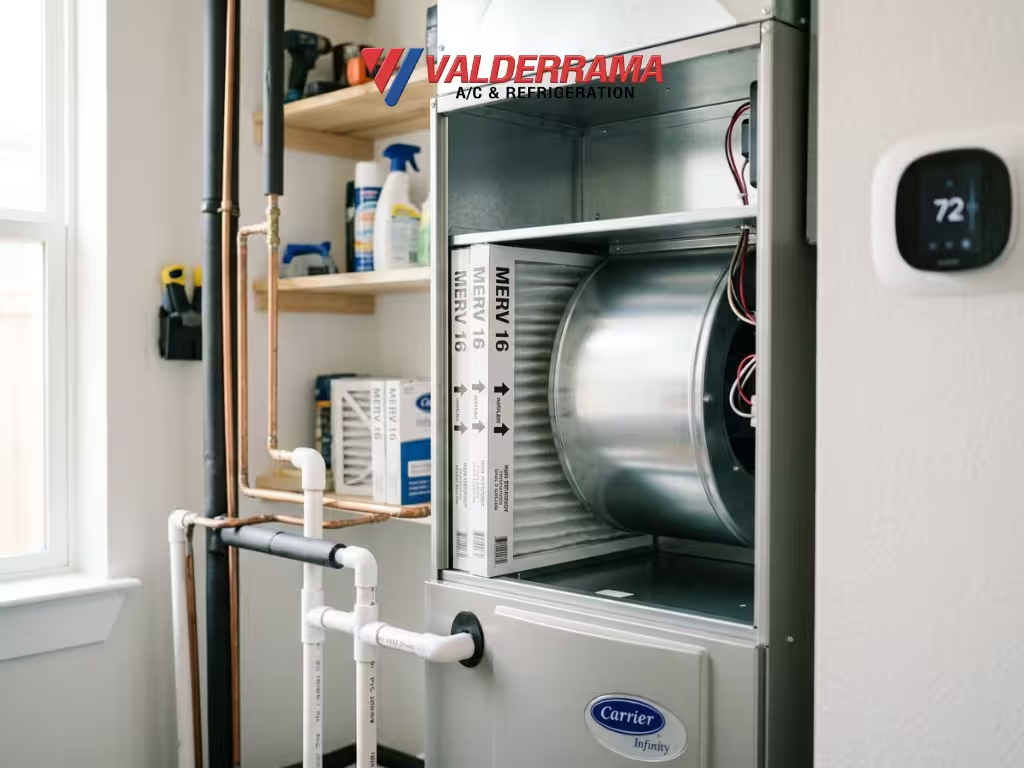
The Houston Factor: How Intense Coastal Humidity Feeds Fungal Colonies
Operating a central air conditioning network in Southeast Texas means dealing with constant moisture-driven environmental challenges.
Houston’s heat and humidity place extreme strain on AC systems, creating an ideal environment for biological activity if your system drops out of calibration. Because our intense cooling seasons run for up to ten months out of the year, your indoor evaporator coils are constantly dropping to freezing temperatures to wring out massive volumes of liquid water vapor from the humid outdoor air.
If your central system suffers from minor airflow restrictions, a slightly uncalibrated refrigerant charge, or a sluggish, slime-choked condensate drain line, that condensation pools inside dark, hidden compartments. Dust particles—which are primarily organic material like dead skin cells and fabric lint—settle into this standing water, forming a perfect nutrient source for mold spores. Within 48 hours of stagnant moisture contact, a thriving colony can establish itself on your blower wheel, circulating active pollutants through your vents.
Our Certified HVAC Mold Removal Process Explained
We don’t believe in superficial aerosol masking techniques or quick visual wipe-downs. Our fully licensed and background-checked technicians follow strict technical protocols to restore absolute indoor safety:
- Negative-Pressure Air Containment: We hook up industrial, high-velocity HEPA-filtered vacuum networks to your duct trunks, ensuring that loosened mold spores are pulled safely out of your home instead of drifting into your bedrooms or offices during cleaning.
- Physical Eco-Safe Mechanical Scrubbing: We carefully dismantle internal air handler casings to access your blower assemblies, coil arrays, and mixing boxes—physically scrubbing away dense fungal bodies with EPA-registered, non-toxic antimicrobial washes.
- Fiberglass Enclosure Treatment & Sealing: If mold has contaminated your internal porous insulation linings, we safely treat and apply specialist, code-compliant fungicidal sealants over the material to encapsulate the zone and block future regrowth.
- Active UV-C Germicidal Disinfection: To prevent a recurrence, we can integrate high-intensity ultraviolet sterilization components directly above your indoor cooling loops, destroying organic DNA before mold can ever take root again.
5 Signs You Have Mold in Your HVAC System
Your building’s climate network will display clear mechanical and physical warning indicators when a biological colony is actively expanding inside your ventilation pathways:
- A Persistent Sour, Musty Odor: A distinct, damp, earthy scent that intensifies sharply the moment your indoor blower fan cycles online.
- Fuzzy Black or Green Spots Around Grilles: Visible dark tracking or physical mold rings expanding outward along your ceiling registers or return vents.
- Chronic, Unresolved Respiratory Irritation: Occupants experience constant headaches, asthma flare-ups, dizziness, and throat congestion strictly while spending time inside the property.
- A Sluggish, Constantly Clogged Condensate Drain: Standing water overflowing your primary emergency pans, signaling that a thick biological algae cake has choked off your exit plumbing paths.
- A Clammy, Lukewarm Thermal Environment: If your home’s air feels uncomfortably muggy and sticky, your internal cooling coils are likely blanketed in debris. To learn how we perform precision indoor audits and design custom purification networks, explore our primary indoor air quality service to establish a safe home defense plan.
Why Professional Mechanical Remediation Safely Protects Your Investment
Attempting a casual DIY project with household bleach or allowing an uncertified handyman to spray random chemicals into your duct lines can ruin your mechanical equipment and cause severe health hazards.
- Preventing Cross-Contamination Spikes: Spraying or scraping mold without running a dedicated negative-pressure vacuum system will simply release billions of microscopic spores into your active air streams, driving your indoor particulate counts to dangerous levels.
- Equipment Surface Preservation: Bleach and basic retail chemical solutions are highly corrosive to aluminum and copper. Spraying them directly onto your indoor evaporator coils can pit the metal fins, trigger major refrigerant leaks, and ruin your system early.
- Warranty Alignment: Major heating and cooling brands will immediately invalidate your remaining 10-year parts warranty if they discover an unlicensed individual has used unapproved industrial chemicals or damaged internal blower components.
Why Choose Valderrama A/C & Refrigeration?
We understand that discover biological growth inside your property introduces immediate stress. When you choose our team to restore your home’s air quality, you secure an elite tier of professional support:
- Upfront, Fixed Project Estimating: The detailed, line-item written quote we hand you before physical work begins is the exact price you pay—no sudden markups or surprise fees.
- Licensed Texas Mechanical Experts: Background-checked, fully insured specialists who understand building physics, airflow dynamics, and environmental codes rather than just basic component swaps.
- Turnkey Comfort Management: From initial technical line assessments to final component sterilization, we keep your property safe, pristine, and efficient through any season.
FAQ: Navigating HVAC Mold Solutions
Q: Can I use standard household bleach to clean mold out of my AC unit?
A: No. Bleach is highly corrosive to the aluminum fins and copper tubes that make up your cooling coil. Furthermore, bleach is water-based, meaning it introduces extra moisture into porous insulation, which can actually accelerate mold regrowth once the chlorine evaporates.
Q: How long does a professional HVAC mold removal project take to complete?
A: For most standard residential properties or light commercial footprints, a deep mechanical system cleaning, containment setup, and antimicrobial sanitation process takes roughly 4 to 8 hours to execute safely.
Q: What is the ideal relative indoor humidity to prevent mold growth in Houston?
A: To permanently stop fungal germination across your drywall, carpets, and duct systems, your indoor relative humidity should remain consistently between 30% and 50%. Any environment that crosses the 60% threshold will trigger rapid biological activity.
Q: Will a standard 1-inch furnace air filter stop mold spores from circulating?
A: No. Cheap 1-inch fiberglass filters are designed strictly to stop large chunks of carpet lint and pet hair from hitting the blower motor. To trap microscopic mold spores (which measure between 2 and 20 microns), you must upgrade to a professional media cleaner rated at MERV 11 to MERV 13 or higher.
Q: How can I stop mold from ever returning to my air handler?
A: The most effective long-term defense strategy is maintaining excellent airflow, keeping your condensate drain lines completely clear, and installing a high-intensity UV-C germicidal light array directly over your indoor coil to continuously destroy organic matter.
Sanitize Your Airway and Protect Your Family Today
You do not have to live with musty odors, constant congestion symptoms, or worry about hidden biological pollutants circulating through your home. Securing a professional, scientifically backed plan for mold removal HVAC system in Houston houses trusts gives your property the ultimate edge: the absolute peace of mind that comes with a perfectly balanced, verified, and sterile comfort network built to protect your health for decades to come.
At Valderrama A/C & Refrigeration, we are your local corporate and residential comfort advocates. We deliver honest upfront pricing, high-caliber technical diagnostics, and a total commitment to keeping your property safe, dry, and highly efficient.
Ready to wipe out hidden mold and breathe clean, crisp indoor air?
Schedule Your Precision Indoor Environmental Audit Now!
Call our support response group right now at (281) 974 – 4599 to get an expert environmental team heading straight to your driveway!