
The most common signs commercial AC is failing include unexplained spikes in energy bills, frequent short cycling, unusual loud noises (like grinding or squealing), and inconsistent temperatures across different zones. If your system requires constant repairs or is struggling to manage humidity, it is likely nearing the end of its service life.
When “Business as Usual” Becomes “Business in a Sauna”
We’ve all seen it: A bustling retail shop in Houston or a high-rise office in Dallas where the air suddenly feels “heavy.” The thermostat says 72°F, but the sweat on your employees’ brows says otherwise. For a Texas business, an HVAC failure isn’t just a maintenance ticket—it’s a direct threat to your bottom line.
In the Lone Star State, our commercial systems work significantly harder than those in the North. They fight 90% humidity and triple-digit temperatures for months on end. At Valderrama A/C & Refrigeration, we know that recognizing the early signs commercial AC is failing can be the difference between a planned budget upgrade and a midnight emergency shutdown.
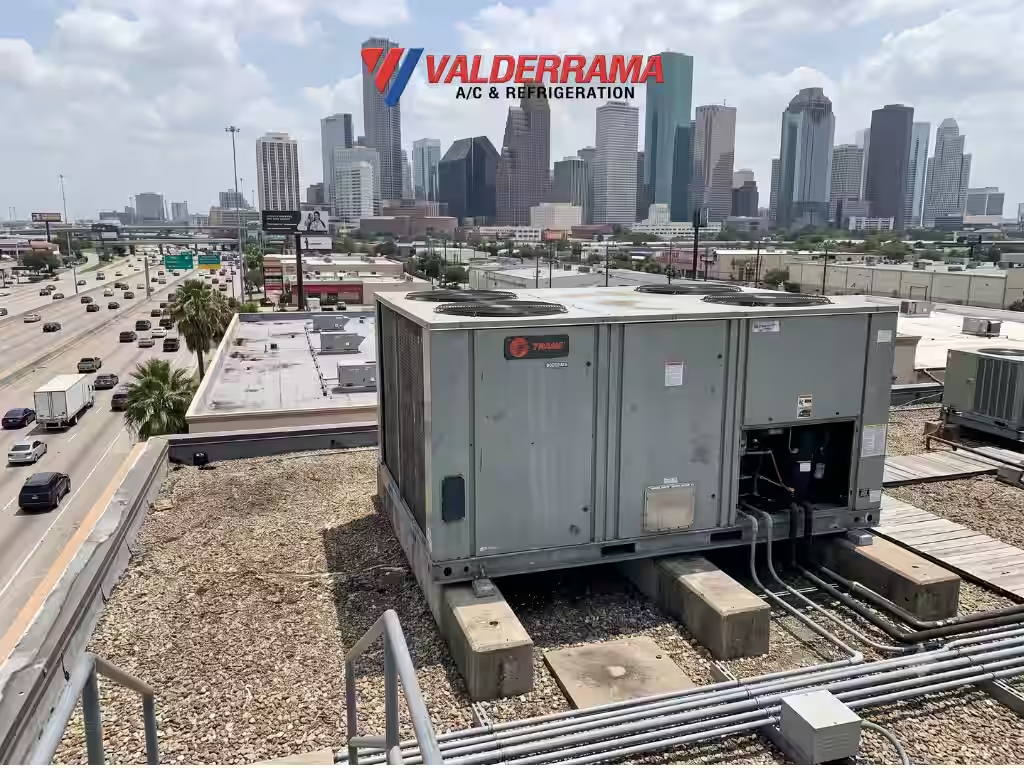
5 Signs You Need Commercial HVAC Service Immediately
Before we get into the long-term failure indicators, watch for these “emergency” red flags:
- Tripping Breakers: Your unit is drawing too much power, indicating a major electrical or motor fault.
- Ice on the Rooftop Unit: Yes, even in 100°F heat, a failing system can freeze solid.
- The Smell of Burning: Electrical odors or “ozone” scents indicate melting wire insulation.
- Water Leaking Through Ceiling Tiles: A sign of a clogged or cracked condensate system.
- Complete Silence: The blower is running, but the compressor—the heart of the system—won’t kick on.
Deep Dive: Signs Your Commercial AC is Failing
1. Astronomical Utility Bills
If your energy intensity (EUI) is climbing despite stable occupancy and weather, your system is losing its efficiency. As components like the compressor age, they have to run longer and work harder to achieve the same cooling, draining your operational budget.
2. Frequent Short Cycling
A healthy commercial unit should run in steady, predictable cycles. If you hear your rooftop unit (RTU) kicking on and off every few minutes, it’s a sign that the system is either overheating, has a failing sensor, or the compressor is struggling to maintain pressure.
3. Inconsistent Temperatures and “Muggy” Zones
Commercial HVAC is all about zoning. If the conference room is an ice box but the lobby is a swamp, your dampers, actuators, or VAV boxes are failing. In Texas, a failing AC also loses its ability to dehumidify, leaving your building feeling “sticky” even if it’s technically cool.
4. Strange Mechanical Noises
You should be familiar with the “normal” hum of your building. New noises are never good:
- Grinding: Metal-on-metal contact in the motor or bearings.
- Squealing: A frayed or slipping fan belt.
- Banging: Loose internal parts or a failing compressor valves.
5. Excessive Dust and Poor Air Quality
A failing commercial system often stops filtering air effectively. If tenants are complaining about increased allergies or you see dust accumulating near the registers, your blower or filtration housing may be compromised.
6. The “Band-Aid” Cycle of Repairs
If you have your HVAC technician on speed dial and are paying for monthly “emergency” fixes, your system is failing. A common rule of thumb is the 50% Rule: If a single repair costs 50% of a new unit’s value, it’s time to replace.
7. System Age (The 15-Year Mark)
In the Texas climate, a commercial AC unit is “old” by year 12 and usually failing by year 15. With the 2026 SEER2 efficiency standards now in place, an older system isn’t just a breakdown risk—it’s an energy-wasting relic.
The Texas Factor: Climate Challenges for Commercial Units
Our local climate is uniquely aggressive toward commercial infrastructure. The extreme humidity causes rapid corrosion of aluminum fins and copper coils on rooftop units.
Furthermore, our frequent afternoon thunderstorms can lead to power surges that fry expensive commercial control boards. In Texas, your HVAC system is the “lungs” of your building; when the humidity is at 90%, those lungs are under immense pressure. Regular maintenance isn’t just a recommendation here—it’s a survival tactic.
DIY Checklist: Preliminary Facility Troubleshooting
Before calling the pros, have your facility manager check these:
- [ ] Thermostat Settings: Ensure Building Automation Systems (BAS) aren’t in “override” mode.
- [ ] Air Filters: Are they gray and clogged? This is the #1 cause of airflow failure.
- [ ] Outdoor Air Intake: Ensure no debris or nesting animals are blocking the rooftop intake.
- [ ] Circuit Breakers: Check for tripped switches in the main electrical room.
Why Professional Commercial Service Matters
Commercial HVAC systems are complex, multi-stage machines that involve three-phase power and sophisticated refrigerants.
- Safety & Liability: Improperly maintained systems can leak carbon monoxide or harbor Legionella in cooling towers.
- Operational Continuity: We specialize in “phased replacements” and repairs that don’t require you to shut down your business during operating hours.
- Efficiency: We calibrate your system to 2026 standards, ensuring your overhead stays as low as possible.
To keep your business running smoothly, we highly recommend enrolling in a tailored commercial HVAC maintenance program to catch these failure signs months before they cause a shutdown.
FAQ: Commercial AC Failure in Texas
Q: How long should a commercial RTU last in Texas?
A: Due to the heat and humidity, most Texas units last 12 to 15 years. Units within 50 miles of the coast may fail sooner due to salt air corrosion.
Q: Why does my office feel humid even when the AC is on?
A: This usually means the system is “short cycling” or the evaporator coils are dirty. It isn’t running long enough to wring the moisture out of the air.
Q: Can we just repair the compressor instead of replacing the whole unit?
A: You can, but a compressor is the most expensive part of the system. If the unit is over 10 years old, putting a new compressor in an old machine is often a poor ROI.
Q: Does a failing AC impact indoor air quality (IAQ)?
A: Absolutely. Failing fans and dirty coils become breeding grounds for mold and bacteria, which can lead to “Sick Building Syndrome.”
Q: How can we lower the cost of a full system replacement?
A: In 2026, many Texas businesses qualify for federal tax credits and utility rebates for switching to high-efficiency, SEER2-compliant units.
Don’t Let a Failure Stop Your Business
A failing AC is a ticking clock. At Valderrama A/C & Refrigeration, we specialize in the specific demands of the Texas commercial landscape. Whether you manage a retail strip, a medical facility, or an industrial park, we provide the honest diagnostics you need to make the right call for your property.
Ready to get an expert eyes-on assessment?
Schedule your Commercial HVAC Inspection or Audit today!
Call us at (281) 974 – 4599 for immediate priority service in Texas!