
The most effective walk-in cooler maintenance tips include cleaning condenser and evaporator coils quarterly, inspecting door gaskets for tight magnetic seals, clearing condensate drain lines, and monitoring daily temperature logs. Keeping fan blades clear of debris and checking electrical connections prevents sudden system failures during peak thermal stress.
The Friday Night Walk-In Crisis
Imagine your kitchen is in the middle of a chaotic weekend dinner rush. The tickets are stacking up, your line cooks are operating at peak speed, and someone runs out to the walk-in cooler for a fresh crate of premium proteins—only to find the room feels warm, humid, and heavy. A quick glance at the digital display reveals a terrifying 48°F and climbing.
For a homeowner, a broken fridge ruins a single dinner. For a Texas commercial kitchen, restaurant, or storage facility, a walk-in failure is an instant capital crisis that directly threatens your inventory, your local health permit, and your operational revenue. At Valderrama A/C & Refrigeration, we treat cold storage systems as major business assets. Implementing proactive walk-in cooler maintenance tips isn’t just about keeping up with kitchen chores—it’s a high-ROI strategy to prevent catastrophic business downtime.
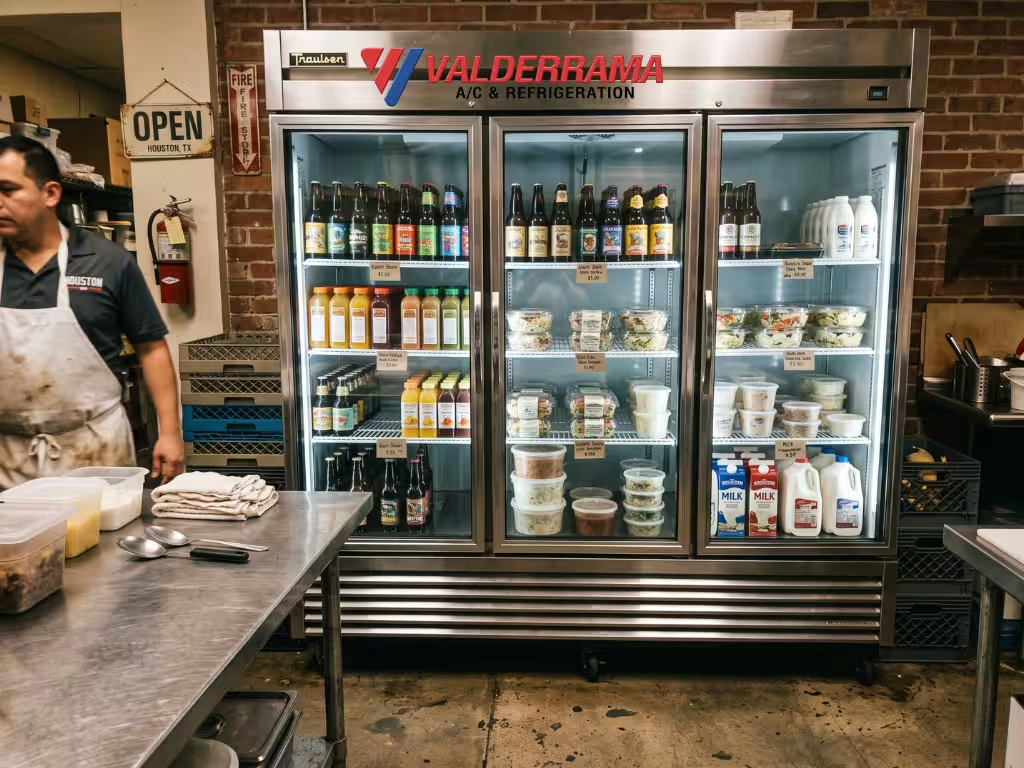
5 Signs You Need Urgent Commercial Refrigeration Service
Don’t wait for your digital control board to flash a flashing alarm. Train your staff to report these early warning signs immediately:
- Frost Accumulation on Walls or Coils: Ice forming along the ceiling panel joints or evaporator housing signals a failed defrost cycle or air leak.
- Standing Pools of Water: Water collecting on the floor or dripping from the fan shroud indicates a clogged or frozen condensate drain line.
- Loud Mechanical Rhythms: Squealing fan bearings or rhythmic clicking from the compressor assembly points to imminent component failure.
- Sticky Door Latches or Torn Gaskets: Doors that refuse to close flush or magnetic seals that are visibly cracked, letting cold air bleed out continuously.
- Perishable Product Spoiling Early: Inventory wilting, turning soft, or showing condensation inside its packaging before its expiration date.
Our Commercial Walk-In Maintenance Service Explained
While daily cleaning habits keep your kitchen tidy, a true commercial refrigeration service digs deep into the thermodynamic loop of your machine. When our team steps on-site for a scheduled maintenance inspection, we perform a multi-point engineering audit:
- We calibrate digital temperature sensors and thermal expansion valves (TXV).
- We wash condenser and evaporator coils with specialized, self-rinsing chemical solutions to maximize heat transfer.
- We test the electrical resistance of compressor motor windings to identify short circuits before they trip main breakers.
- We analyze refrigerant pressure levels to verify your system conforms to 2026 environmental standards without leaking capacity.
The Texas Factor: Managing Cold Storage in a Climate Sauna
Operating a walk-in cooler or freezer in the Lone Star State presents unique, brutal challenges. Houston’s heat and humidity place extreme strain on AC and refrigeration systems.
When your kitchen ambient air rises during summer heatwaves, or your outdoor condenser units sit on a boiling 120°F commercial rooftop, your compressor has to run significantly longer duty cycles to pump heat out of the cold box. High regional relative humidity also means that every single time your staff opens the heavy walk-in door, a wave of moisture-laden air rushes inside. Without pristine drainage pathways and perfectly tuned defrost timers, this moisture instantly freezes into a solid sheet of ice over your evaporator fins, choking off airflow and rapidly burning out your blower motors.
Actionable Walk-In Cooler Maintenance Tips for Your Facility
To extend your equipment lifecycle and slash your monthly utility overhead, build these 10 practical strategies directly into your business’s standard operating procedures:
Daily Internal Checks
- 1. Monitor Temperature Logs: Assign a team member to check and record internal temperatures twice daily (morning and night). Catching a 3-degree upward drift early can save your stock before it reaches the food safety danger zone.
- 2. Keep Doors Shut Flush: Train your staff to never prop the walk-in door open while unloading inventory trucks. This practice introduces massive humidity spikes that stress the compressor.
- 3. Audit Interior Airflow: Never stack boxes directly against the walls or block the face of the evaporator fan assemblies. Your system relies on continuous circular airflow to prevent warm air pockets.
Weekly Maintenance Routine
- 4. Inspect the Door Gaskets: Wipe down the rubber magnetic door seals with warm soapy water to prevent sticky syrup or mold from tearing the material. Check for any light escaping through the seams when closed.
- 5. Clear the Internal Drain Pan: Ensure no stray plastic wrap, labels, or food scraps have drifted into the evaporator drain pan, as this causes water to back up and spill onto your floor.
Monthly & Quarterly High-ROI Maintenance
- 6. Clean the Condenser and Evaporator Coils: Dust, flour, and airborne grease form an insulating blanket over your coils, forcing your system to work twice as hard to reject heat. Carefully clean them or hire an expert to execute a chemical flush.
- 7. Test the Door Closers and Hinges: Lubricate mechanical hinges and automatic sweep gaskets to ensure the door closes completely on its own power without bouncing open.
- 8. Check Electrical Insulation and Wiring: Inspect power cords and conduit lines leading to the fan motors for any signs of fraying or wear caused by heavy kitchen traffic.
- 9. Run a Manual Defrost Test: Verify that your automated defrost heaters cycle on and off seamlessly to keep your aluminum fins completely clear of structural frost.
- 10. Optimize Your Water Filtration: If your walk-in system is connected to an integrated ice machine or mister network, change the water filters quarterly to prevent lime-scale from choking the internal valves.
Why Professional Service Matters for Your Bottom Line
Commercial refrigeration equipment runs on sophisticated three-phase high-voltage power grids and relies on precise pressure charges to move heat efficiently. Attempting a casual DIY patch on a thermal expansion loop or letting an uncertified handyman adjust pressure switches can void manufacturer warranties, violate local building codes, and cause permanent damage to your compressor.
Our fully licensed, EPA-certified technicians bring advanced digital manifolds and diagnostic tools to keep your hardware running at peak efficiency. To stop minor mechanical wear from turning into an incredibly expensive emergency system replacement, we highly recommend our comprehensive commercial refrigeration service to ensure your kitchen assets remain completely future-proofed.
Why Choose Valderrama A/C & Refrigeration?
We understand that commercial operators have zero margin for error when it comes to the cold chain. When you choose us to maintain your facility’s cooling assets, you get:
- 24/7 Priority Emergency Dispatch: Commercial accounts skip the waiting lines during active cooling system failures.
- Transparent, Line-Item Invoicing: Complete upfront clarity with detailed material and labor quotes before any physical work begins.
- Unmatched Regional B2B Expertise: Years of trusted mechanical service across prominent Texas restaurants, grocery hubs, and distribution centers.
FAQ: Walk-In Cooler Troubleshooting and Care
Q: Why is my walk-in cooler leaking water onto the kitchen floor?
A: This is almost always caused by a clogged or frozen condensate drain line. When water cannot escape outside through the drain tube, it fills the internal pan and overflows directly down your interior walls.
Q: How often should a commercial walk-in cooler be professionally serviced?
A: Given our heavy regional humidity and constant usage cycles, we strongly recommend booking a professional inspection and deep cleaning at least once every 3 months (quarterly).
Q: What is the ideal operating temperature for a commercial walk-in cooler?
A: To maximize food preservation and remain compliant with Texas health regulations, your walk-in cooler should be set to hold temperatures between 35°F and 38°F. Anything above 40°F enters the bacterial danger zone.
Q: Can a dirty condenser coil cause my electric bill to skyrocket?
A: Yes. When coils are blocked by dirt and grease, head pressures inside the system spike dramatically. This forces the compressor to draw significantly more amperage and run longer cycles, which inflates your monthly utility overhead.
Q: Do you offer commercial refrigeration dispatch services on weekends or holidays?
A: Absolutely. We maintain fully stocked service trucks and EPA-certified technicians on call 24 hours a day, 7 days a week, 365 days a year to manage any cooling emergency across Texas.
Protect Your Kitchen Assets Today
Your walk-in cooler is one of the most vital capital investments in your business. Taking control of your system’s health with these essential walk-in cooler maintenance tips gives your team the ultimate edge: the power to prevent expensive emergency failures before they impact your operational revenue. When your cooling demands are heavy, trust a local team that knows how to make commercial systems run flawlessly.
Is your cooling equipment due for a professional checkup?
Schedule your Professional Commercial Refrigeration Maintenance Visit today!
Call our enterprise support team right now at (281) 974 – 4599 to lock in your 2026 preventative service agreement!