
The best central heating and air conditioning system for most Texas homeowners is a high-efficiency heat pump or a variable-speed dual-fuel system (heat pump paired with a gas furnace). Systems with a SEER2 rating of 16+ and inverter-driven compressors provide maximum energy efficiency, precise humidity control, and reliable year-round comfort.
Few home upgrades impact your daily comfort and energy bills as drastically as replacing your HVAC unit. When your old unit struggles to keep up—leaving you with lukewarm air in August or shocking utility bills in January—you naturally want to know: what is the best central heating and air conditioning system available today?
With dozens of brand names, efficiency metrics, and equipment types on the market, choosing the right system can quickly feel overwhelming. However, there is no single “one-size-fits-all” HVAC unit. The best system for your home depends on your local climate, fuel availability, ductwork condition, and home layout.
In this guide, we break down the leading central heating and cooling technologies, compare their strengths, and explain how Beaumont’s unique climate influences your ideal match.
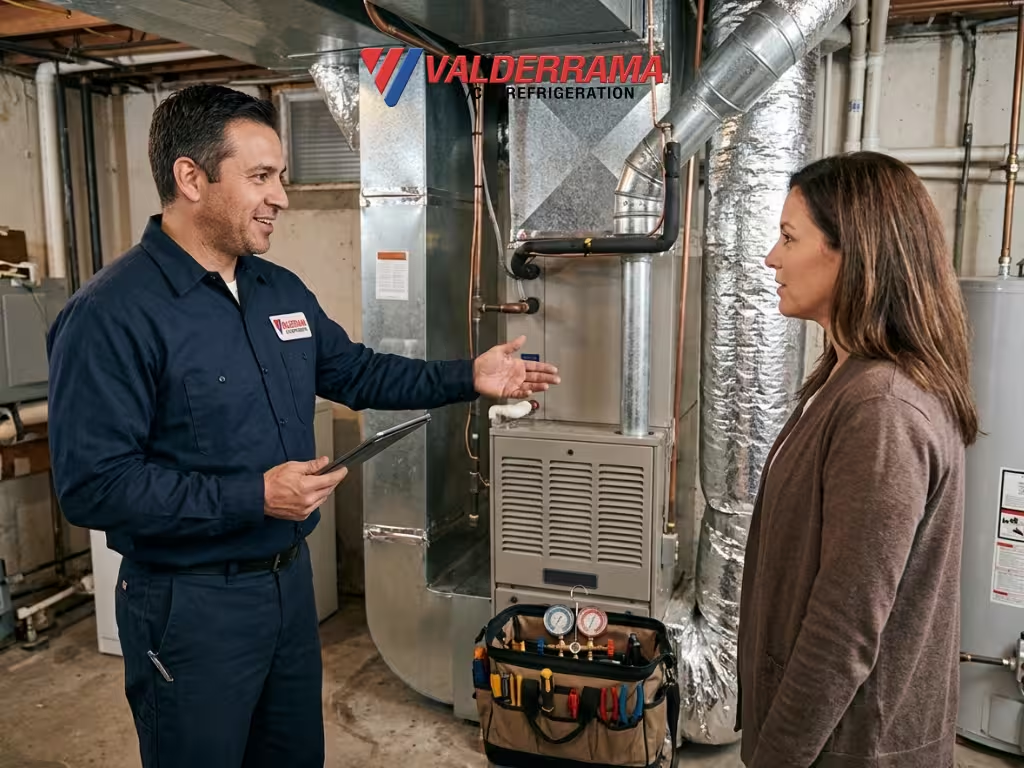
The Top Types of Central Heating and Cooling Systems
Understanding your equipment options is the first step toward choosing the best system for your property. Central HVAC setups generally fall into four main categories:
1. High-Efficiency Heat Pumps (Best Overall for Southeast Texas)
Modern heat pumps have revolutionized residential comfort. Unlike traditional systems that burn fuel to create heat, a heat pump extracts heat from the outside air and transfers it indoors during winter, then reverses the process to cool your home in summer.
- Pros: Highly energy-efficient, operates as both a heater and air conditioner, excellent humidity control.
- Cons: Heating efficiency can drop during prolonged sub-zero freezes (rare in Gulf Coast Texas).
2. Dual-Fuel (Hybrid) Systems (Best for Maximum Comfort & Efficiency)
A dual-fuel system pairs an electric heat pump with a backup gas furnace. During mild winter days, the system relies on the hyper-efficient heat pump. When temperatures drop significantly, the system automatically switches to the gas furnace for fast, robust heating.
- Pros: Unmatched year-round comfort, optimizes utility costs based on electric vs. gas rates.
- Cons: Higher initial equipment and installation cost.
3. Standard Split Gas & Electric Systems (Most Traditional)
This setup combines a central air conditioner (outdoors) with a gas furnace (indoors). It remains a popular standard across North America due to its proven track record and lower upfront equipment costs.
- Pros: Strong heating output, widely available parts, familiar technology for technicians.
- Cons: Less energy-efficient for heating during mild winters compared to heat pumps.
4. Packaged HVAC Systems (Best for Homes Without Basements or Attics)
In a packaged unit, all heating and cooling components are housed in a single outdoor cabinet (usually installed on a concrete slab or roof).
- Pros: Saves interior space, ideal for modular homes or flat-roof properties.
- Cons: Shorter lifespan because all components are exposed to harsh outdoor elements year-round.
Comparing Central HVAC Technologies
To help you weigh your options, here is a quick overview of how the top central HVAC options compare:
| System Type | Efficiency Rating (SEER2 / HSPF2) | Best Climate Fit | Average Lifespan | Ideal Home Type |
| Inverter Heat Pump | Up to 22+ SEER2 / 10+ HSPF2 | Hot summers, mild-to-cold winters | 15–20 Years | All single-family homes & townhomes |
| Dual-Fuel (Hybrid) | Up to 20+ SEER2 / 95%+ AFUE | Variable climates with severe freezes | 15–20 Years | Homes with existing natural gas lines |
| Standard Split System | 14.3 to 18 SEER2 | Standard climates | 12–15 Years | Budget-conscious whole-home replacements |
| Packaged Unit | 13.4 to 16 SEER2 | Mild to warm regions | 10–12 Years | Homes with restricted indoor mechanical space |
How Beaumont Climate Challenges Impact Your Choice
Choosing the best central system isn’t just about brand reputation—it’s heavily influenced by where you live. In Beaumont, TX, local weather conditions create unique demands on residential HVAC units.
Extreme Humidity and Prolonged Heat
Beaumont experiences long, sweltering summers with extreme relative humidity coming off the Gulf Coast. An oversized or single-stage air conditioner will cool your home too quickly without running long enough to remove moisture. This leaves your home feeling sticky, clammy, and prone to mold growth.
The Solution: The best central HVAC system for Beaumont must feature a variable-speed or two-stage inverter compressor. Variable-speed systems run continuously at lower speeds, precisely adjusting cooling output while pulling maximum moisture out of the air.
Corrosive Coastal Air
Air in Southeast Texas contains higher salt content and atmospheric moisture than inland areas. Standard aluminum or copper outdoor coils can corrode rapidly if not engineered with anti-corrosion protection. Looking for units featuring specialized coil coatings (such as epoxy or marine-grade finishes) ensures long-term durability against coastal air.
5 Signs You Need Central HVAC Replacement in Beaumont
If you are evaluating new central systems because your current unit is struggling, look for these five clear indicators that repair is no longer cost-effective:
- System Age Exceeds 10–12 Years: In Southeast Texas, HVAC units run significantly more hours per year than the national average, accelerating component wear.
- Skyrocketing Summer Utility Bills: Sudden, unexplained jumps in electricity bills signal that your system’s compressor or motor is working overtime due to lost efficiency.
- Persistent Humidity Problems: If your home feels muggy indoors even when the air conditioner is running, your system can no longer manage latent heat load.
- Frequent and Expensive Repairs: Spending money on major components like compressors, blower motors, or reversing valves is rarely practical on aging equipment.
- Use of Phased-Out Refrigerant (R-22): Older systems running on R-22 Freon are increasingly expensive to service due to chemical phase-outs and supply shortages.
If your system is showing any of these symptoms, explore how modern cooling upgrades can restore your indoor comfort with our central heating and air conditioning services in Beaumont.
DIY Checks Before Upgrading Your Central HVAC System
Before investing in a new high-efficiency central unit, complete these important preliminary checks to ensure you get the performance you pay for:
- Inspect Your Ductwork: Even the highest-rated HVAC system cannot perform properly if leaky, uninsulated, or undersized ducts are losing up to 30% of conditioned air in your attic.
- Check Attic Insulation: Adequate attic insulation prevents heat transfer through your ceiling, allowing you to install a properly sized (and often smaller) HVAC unit.
- Verify Thermostat Compatibility: Ensure your current thermostat supports multi-stage or variable-speed operation, or plan to upgrade to a smart thermostat.
- Examine Outdoor Clearance: Clear shrubs, weeds, and debris at least two feet around your outdoor condenser location to maintain proper airflow.
- Confirm Electrical Panel Capacity: Upgrading to modern high-efficiency heat pumps or electric heat strips may require verifying your home’s electrical breaker panel rating.
When to Call a Professional HVAC Specialist
While DIY maintenance helps keep an existing system running, choosing and installing a central HVAC unit requires professional engineering calculations.
A licensed HVAC specialist will perform a Manual J Load Calculation, which evaluates your home’s square footage, window exposure, insulation levels, ceiling heights, and local climate data. This guarantees your new system is sized accurately—preventing the costly performance issues caused by over-sizing or under-sizing equipment.
Whether you need a heat pump upgrade or furnace service, rely on our reliable heating repair and installation team to help you choose the ideal heating configuration for your home.
Frequently Asked Questions
What brand of central heating and air is the most reliable?
Top-tier manufacturers like Trane, Carrier, Lennox, and Rheem consistently score high for reliability. However, industry experts agree that the quality of the installation matters more than the brand name on the cabinet.
Is a heat pump better than a gas furnace in Texas?
For Southeast Texas, a heat pump is generally superior because winters are mild, and heat pumps deliver unmatched energy efficiency during cool months while providing high-performance cooling in summer.
What SEER2 rating should I look for in a central AC?
In Beaumont, a minimum rating of 15.2 SEER2 is required by regional building standards, but opting for 16 to 20 SEER2 offers the best long-term return on investment through lower monthly electric bills.
How long does a central heating and air conditioning system last?
With annual professional maintenance, a modern central HVAC system lasts between 12 and 18 years. Coastal climates with high humidity may shorten equipment lifespans without proper preventive care.
How much does it cost to replace a central HVAC system?
Replacement costs vary based on home size, ductwork condition, SEER2 rating, and system type (heat pump vs. dual-fuel). A detailed in-home estimate is necessary to provide an accurate price quote.
Ready to optimize your indoor climate and lower your energy costs?
Schedule Your Precision HVAC System Inspection Now!
Call our team today at (281) 974 – 4599 to speak with an experienced specialist and confirm your service visit