
On average, central heating and cooling networks last between 10 and 15 years in coastal and high-humidity environments. While equipment operating in milder northern climates can stretch to 20 years, heavy seasonal workloads, coastal salt exposure, and intense humidity shorten operational lifespans significantly.
The Aging Ticking Time Bomb in Your Attic
It is a blinding, heavy Tuesday afternoon in the middle of a brutal July stretch. You walk past your hallway thermostat and see that the indoor temperature is holding steady at a comfortable 72 degrees. But as you glance out the window, you notice your outdoor compressor unit is rattling loudly, shaking against its pad, and blowing waves of distorted heat into the stagnant air. You look back at your house files and realize that this system was installed back when your family first moved into the property over a decade ago.
Suddenly, a wave of anxiety hits: Is this the summer the system completely collapses, leaving us stranded in a dangerous heatwave?
For any property owner, household executive, or asset manager, climate control infrastructure is easily the most expensive, hard-working machinery on the property. We expect these systems to run flawlessly year after year, yet we rarely think about their physical breaking point until they drop completely offline.
When you look up how long do hvac systems last online, you aren’t looking for a generic textbook estimate. You need a realistic look at how our local environment impacts mechanical systems and an honest way to know if your system is on its last leg. At Valderrama A/C & Refrigeration, we manage equipment lifecycles with an engineering focus, helping you get the absolute most out of your current hardware or plan a smart upgrade before an emergency hits.
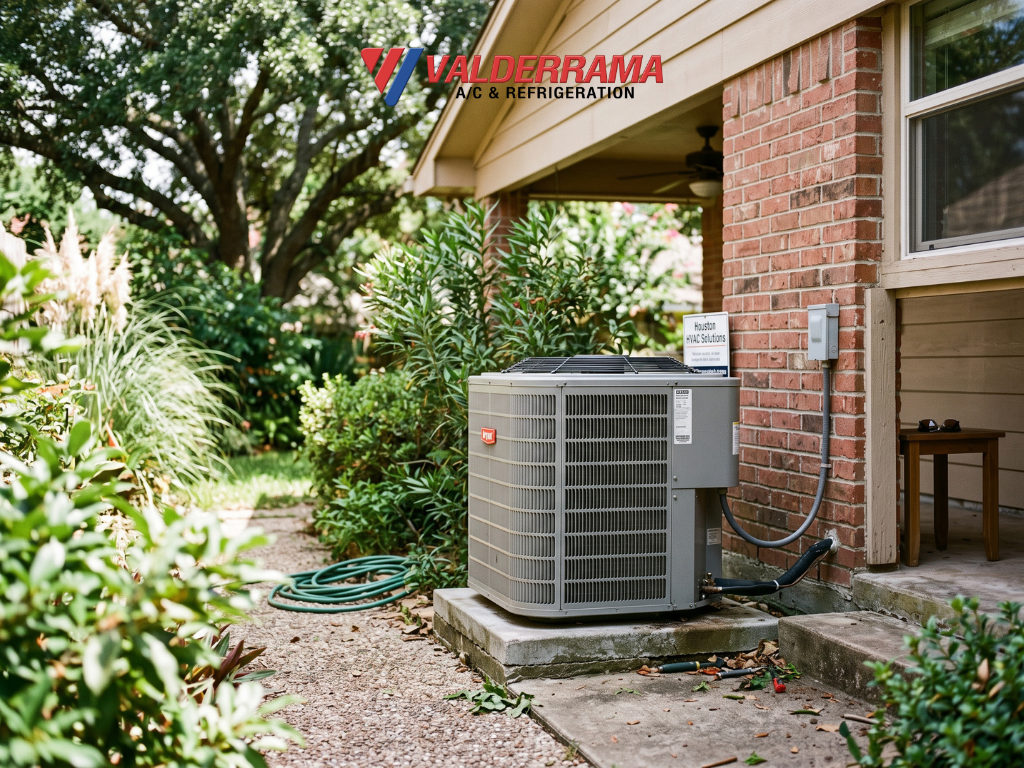
The Houston Factor: Why Dense Coastal Environments Accelerate Mechanical Aging
Operating heavy heating and cooling machinery in Southeast Texas presents intense mechanical challenges that traditional systems in northern states never encounter.
Houston’s heat and humidity place extreme strain on AC systems. Because our local cooling season routinely stretches for nearly ten months out of the year, a central system here clocks double or triple the annual operational duty cycles of a typical northern system.
Our thick relative humidity requires an AC system to act as a heavy-duty dehumidifier, pulling hundreds of gallons of raw liquid water vapor from your indoor air channels every week. This means your compressor, outdoor fan motor, and indoor air handler are running under relentless thermal loads for hours at a time.
Additionally, our proximity to coastal air introduces airborne salt vapors and corrosive industrial compounds. These microscopic elements settle into the delicate aluminum fins of your outdoor condenser coil, triggering a slow chemical process called galvanic corrosion. This corrosion eats away at your system’s heat-exchange surfaces, insulates the refrigerant lines, and forces the entire system to run hot, which dramatically shortens its lifespans.
5 Signs Your Aging HVAC System Is Reaching Its End
Your climate network will display clear mechanical and operational red flags when its core internal components are approaching terminal wear:
- A Sudden Surge in Monthly Utility Bills: Your power statements show a steep, unexplained upward trend compared to the same weather patterns over previous years, signaling that your system’s motors are pulling excessive amperage to achieve the same cooling capacity.
- Frequent, Disruptive Component Failures: You find yourself paying premium after-hours diagnostic fees multiple times a year to patch recurring electrical faults, failed contactor switches, or blown starting capacitors.
- The System Uses Obsolete R-22 Refrigerant: If your equipment was built before 2010, it likely relies on HCFC-22 (Freon)—a chemical phase-out that makes simple leak repairs incredibly expensive and cost-prohibitive.
- Loud, Severe Metallic Knocking Noises: Unusual grinding, squealing, or rhythmic clanking echoing from your outdoor condenser pad, indicating worn internal compressor valves or a failing fan motor bearing.
- An Inability to Balance Indoor Air Pressures: Rooms feel uncomfortably hot, stuffy, and clammy on one side of your property while others are freezing, signaling that your system’s internal blowers can no longer manage structural airflow demands.
If you manage a business storefront or a light industrial asset, tracking these equipment lifecycles is even more critical due to strict operational liabilities. We highly encourage commercial property managers and corporate directors to check out our primary commercial HVAC systems hub to discover how precision planned maintenance and turnkey engineering keep your business assets running efficiently without surprise downtime.
What Determines Your System’s Real-World Longevity?
An HVAC system’s lifecycle isn’t set in stone the day it leaves the factory floor. Three major real-world factors determine whether your system drops offline early or runs smoothly past the 15-year mark:
1. Consistent Preventative Maintenance
An air conditioner running without routine service is exactly like driving a car for 100,000 miles without ever changing the engine oil. Skipping annual chemical coil cleanings forces a thick layer of dust and grease to blanket your heat-exchange fins. This insulation blocks heat transfer, causes your compressor to run at dangerously high internal temperatures, and rapidly breaks down the internal lubrication oils, leading to early compressor failure.
2. Precise Structural Equipment Sizing
If your system was installed using quick shortcuts instead of a rigorous, code-compliant Manual J load calculation, it will likely suffer from improper sizing. An oversized system will cycle on and off rapidly (short-cycling), which subject your starter capacitors and compressor motors to intense mechanical stress, cutting your system’s life span in half.
3. Indoor Airflow and Static Pressure Balance
Using highly restrictive retail air filters without adjusting your blower speeds creates an intense airflow bottleneck. This high static pressure chokes your return air lines, forces your fan motor to work twice as hard, and can cause liquid refrigerant to travel backward down your suction line, destroying your compressor pump’s internal valves early.
DIY Checks to Evaluate Your Aging Equipment Lines
Before you call a technician for an expensive diagnostic visit, execute this quick visual audit to check the physical health of your system:
- Inspect the Outdoor Condenser Fins: Walk outside and look closely at the thin aluminum grilles surrounding your outdoor unit. If the metal fins are crumbling into a white powder or turning a dark ash gray, your system is dealing with severe environmental corrosion that restricts heat rejection.
- Track Your Circuit Breaker History: Open your property’s main electrical box. If your cooling system’s dedicated circuit has tripped multiple times over the last two months, the compressor’s internal electrical insulation is likely breaking down.
- The Delta-T Temperature Split Check: Take a standard digital thermometer and measure the exact temperature of the air entering your return vent, then compare it to the air coming out of your closest supply register. A healthy, fully charged system should maintain a clean split between 16 and 20 degrees. Anything below 15 degrees signals a slow refrigerant leak or failing compressor valves.
When to Call a Professional Mechanical Contractor
If your visual checks reveal severe fin corrosion, or if your system continues to short-cycle even after you slide in a clean, high-efficiency filter cartridge, it is time to schedule an advanced technical review.
A certified technician can run digital system evaluations—utilizing specialized gauges to read exact refrigerant sub-cooling levels, megohmmeter insulation tests to check your compressor windings, and thermal imaging cameras to catch arcing electrical contactors before they cause a permanent system failure.
Why Choose Valderrama A/C & Refrigeration?
We don’t believe in low-value visual walk-throughs, hidden diagnostic fees, or high-pressure equipment sales scripts. When you choose our family-owned team to handle your home’s climate infrastructure upgrades, you receive an elite tier of professional support:
- Guaranteed, Line-Item Project Estimates: The written quote we hand your family is the exact price you pay—no sudden markups, surprise administrative fees, or hidden padding.
- Licensed Texas Engineering Specialists: Our field crews are background-checked, comprehensively insured, and systematically trained in modern variable-speed inverter physics and ACCA sizing metrics.
- Turnkey Home Asset Protection: From initial heat-load data logging to final municipal code inspection filings, we keep your building safe, dry, and highly efficient through any season.
FAQ: Navigating Houston Home HVAC Lifecycles
Q: Is it smarter to replace a broken compressor on a 12-year-old system or upgrade the whole network?
A: In almost all cases, it is wiser to upgrade the entire network. Putting an expensive new compressor into an ancient system running on outdated refrigerant leaves you with old indoor coils and a worn blower motor that could fail weeks later. Investing that money into a modern, warranted system lowers your operational risk and cuts utility costs immediately.
Q: How does a high SEER2 energy rating impact my system’s total life span?
A: SEER2 measures energy efficiency, not raw durability. However, premium high-SEER2 systems utilize advanced variable-speed inverter compressors that scale their output dynamically anywhere from 25% to 100%. This smooth, continuous operation eliminates the intense stress of constant hard on-and-off startups, helping extend the system’s life span.
Q: Will installing an automatic hard-start kit extend the life of my aging AC unit?
A: Yes. If your older compressor is struggling to start up or making a loud humming noise when turning on, a hard-start kit delivers an extra burst of electrical energy to get the pump spinning faster. This minimizes the time your system runs at peak amperage draw, protecting your internal wires from heat fatigue.
Q: Do modern heat pumps have a shorter lifespan than a traditional gas furnace setup?
A: A traditional natural gas furnace only runs for a few months during our short Texas winters, allowing its components to last up to 20 years. Because a heat pump handles both heating and cooling duties year-round, its mechanical lifespan aligns closely with standard central air units, lasting 10 to 15 years.
Q: Does whole-home surge protection protect my climate equipment from breaking down early?
A: Absolutely. Modern HVAC systems utilize sensitive solid-state inverter computer boards that can be instantly destroyed by local grid power drops or lightning spikes. Installing an industrial-grade surge protector directly onto your main electrical panel isolates these currents, protecting your hardware investments.
Take Complete Control Over Your Property’s Longevity and Comfort Today
You do not have to live with skyrocketing utility bills, weak airflow, or worry about unexpected equipment breakdowns because your system is running on borrowed mechanical time. Securing a reliable understanding of exactly how long do hvac systems last gives your household or enterprise the ultimate edge: the absolute peace of mind that comes with a perfectly balanced, safe, and highly efficient comfort network built to perform flawlessly for decades to come.
At Valderrama A/C & Refrigeration, we are your local corporate and residential comfort advocates. We provide honest upfront pricing, high-caliber technical diagnostics, and a total commitment to keeping your property safe, dry, and highly efficient.
Ready to maximize your system’s life span and optimize your energy footprint?
Schedule Your Comprehensive Property Performance Assessment Now!
Call our corporate support group right now at (281) 974 – 4599 to speak with a licensed system performance engineer today!