
Professional indoor air quality testing in Houston TX uses specialized diagnostic sensors to map particulate matter (PM2.5), mold spores, volatile organic compounds (VOCs), carbon monoxide, and radon levels. A certified mechanical assessment averages $300 to $800+, providing an itemized laboratory report and a clear roadmap to sanitize your breathing space.
The Hidden Danger in Your Daily Environment
It is a heavy, humid Tuesday morning. You are sitting inside your home office or commercial workspace, trying to focus on your daily tasks, but you can’t seem to shake a lingering headache. Your eyes feel gritty and dry, your throat is constantly scratchy, and your breathing feels shallow. You replace your basic furnace filters regularly and clean your floors, but every member of your building portfolio or household seems to clear up the moment they step outside into the fresh air.
Because modern structures are heavily insulated to keep your conditioned air locked inside, they frequently suffer from a major mechanical flaw: a total lack of fresh air exchange. This stagnation traps millions of microscopic irritants within your living space, forcing your lungs to filter out heavy airborne debris continuously.
When you find yourself looking for indoor air quality testing in Houston TX, you aren’t trying to buy generic, inaccurate test strips from a local big-box store. You need an engineering team to perform an objective, laboratory-validated analysis of your structural environment. At Valderrama A/C & Refrigeration, we leverage advanced environmental sensors to identify exactly what is floating in your air stream so you can clean your property permanently.
The Houston Factor: High Humidity, Dormant Ducts, and Airborne Spores
Managing clean indoor air in Southeast Texas requires an ongoing battle against intense local environmental conditions.
Houston’s heat and humidity place extreme strain on AC systems. Because our extreme cooling seasons run for nearly ten months out of the year, central air handlers are constantly pulling dense, water-laden air into dark sheet-metal trunk lines. This moisture frequently pools inside primary drain pans and clings to internal cooling coils, turning your dark ventilation pathways into ideal breeding zones for biological mold cultures and bacterial slime.
When our intense seasonal ragweed and oak pollen explosions happen outside, those fine outdoor allergens naturally seep indoors through tiny architectural micro-gaps, bonding with structural dust and trapped humidity. Every single time your blower motor turns on, it spreads these irritants right into your living areas. Running an expert mechanical air test isolates exactly where these biological contaminants are hiding so you can stop them early.
What Our Comprehensive Air Quality Assessment Delivers
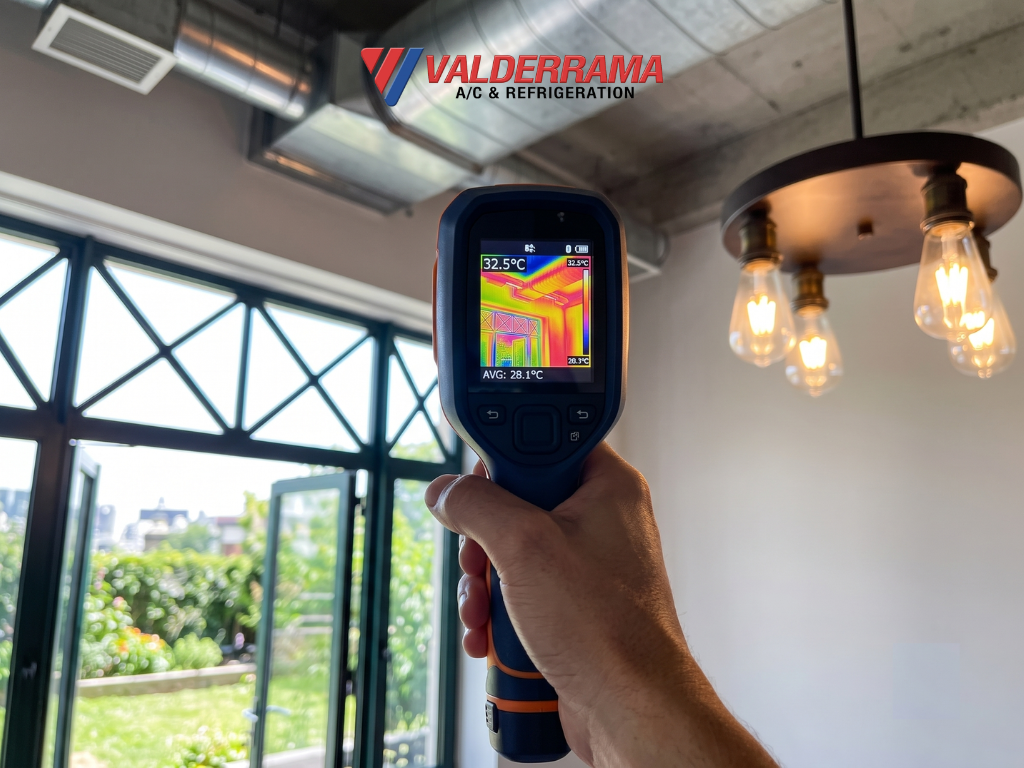
We don’t rely on simple visual guesswork. When our licensed environmental technicians step onto your property, we perform an intensive diagnostic audit using state-of-the-art testing equipment:
Structural Particulate Matter Tracking (PM2.5 & PM10)
We count fine, inhalable dust particles, pet dander flakes, and soot tracks that are completely invisible to the human eye but cause chronic respiratory inflammation and asthma flare-ups.
Volatile Organic Compound (VOC) Analysis
We test for hidden chemical off-gassing from common structural items like fresh carpets, synthetic paints, structural adhesives, and industrial household cleaners that frequently trigger persistent headaches and brain fog.
Airborne Biological Sampling
We pull calibrated air cassette samples to capture floating fungal spores, identifying the precise strains of mold growing behind your sheetrock or inside your central duct layout.
5 Signs Your Property Needs Urgent Air Quality Testing
If your home or office space exhibits any of these five technical or physical red flags, your indoor air grid is likely carrying an unsafe particulate load:
- Unexplained, Chronic Health Symptoms: Occupants experience persistent sneezing, congestion, coughing, skin rashes, or eye irritation that disappears shortly after leaving the building.
- Visible Discoloration Around Vents: Dark, fuzzy black streaks or gray spots expanding across your supply registers, indicating an active mold colony inside the air stream.
- Lingering, Musty or Sour Odors: Stagnant, organic smells that hang in specific rooms or across the property, even after performing a deep cleaning.
- Rapid Dust Accumulation on Smooth Surfaces: A thick layer of fine gray particles building up on your glass tables, electronics, and desks within 48 hours of cleaning.
- A Muggy, Clammy Living Environment: If your central system leaves your rooms feeling uncomfortably humid and sticky, your AC is struggling to shed ambient moisture, setting the stage for rapid biological spore growth.
Why Professional Environmental Analysis Matters
Attempting a casual DIY approach with a cheap retail sensor kit or trusting an uncertified contractor to assess your property can compromise your safety and cost you thousands in misdirected remediation efforts.
- Absolute Analytical Accuracy: Specialized environmental instruments utilize laboratory-grade spectrometers and calibrated pumps to register true particulate values down to a fraction of a milligram, avoiding the frequent false positives of cheap consumer-grade counters.
- Targeted Remediation Planning: If your home tests high for specific fungal spores or toxic chemical vapors, our clear laboratory readouts tell you exactly what type of medical-grade HEPA filters, whole-home electronic cleaners, or UV germicidal light arrays your property requires.
- Protecting Your Hardware Integrity: When your internal climate elements are choked with heavy dust or biological films, heat transfer drops sharply. This forces your system to run longer, highly inefficient cycles that skyrocket your utility bills and burn out your compressor components early.
To see our full range of clean air hardware upgrades and learn how we isolate toxic pollutants before they can circulate into your rooms, browse our primary indoor air quality solutions center to customize your home defense plan.
Why Choose Valderrama A/C & Refrigeration?
We understand that you have zero room for error when managing the physical health and safety of your family, tenants, or employees. When you partner with us to evaluate your building infrastructure, you secure:
- Fixed, Line-Item Project Invoicing: The written quote we hand you upfront is the exact price your family or business pays—no sudden markups, surprise fees, or hidden dispatch fees.
- Fully Certified Local Specialists: Fully licensed, insured Texas technicians systematically trained in advanced building science, airflow metrics, and current code compliance guidelines.
- Turnkey Comfort Management: From initial laboratory sampling to final air-purifier commissioning, we ensure your indoor property stays perfectly dry, clean, and safe through any season.
FAQ: Navigating Air Quality Testing Realities
Q: What is the ideal relative humidity percentage for a local Houston home?
A: To prevent rapid mold growth and dust mite colonization while maintaining home comfort, your indoor relative humidity should remain consistently between 30% and 50%. Anything crossing the 60% threshold will rapidly trigger biological activity across your drywall and carpet fibers.
Q: How long does a standard professional indoor air quality test take?
A: For most single-family properties or light commercial layouts, our on-site technical inspection and air sampling routine takes roughly 1 to 2 hours. If biological cassette checks are required, raw samples are sent directly to a certified lab, with detailed itemized reports delivered inside 3 to 5 business days.
Q: Can bad air quality cause my air conditioner’s evaporator coils to freeze over?
A: Yes. If your property carries an excessive dust load and you use sub-standard filters, fine debris will bypass the mesh and settle deeply across your cold indoor evaporator fins. This thick dust layer blocks vital airflow, causing the system’s temperature to plummet until it transforms into a solid block of ice.
Q: What are VOCs and where do they come from?
A: Volatile Organic Compounds (VOCs) are toxic chemical gases emitted directly from everyday household products. Common sources include new furniture foams, vinyl flooring, pressed wood cabinets, aerosol sprays, cosmetics, and synthetic paints. High concentrations can cause severe neurological and respiratory strain long-term.
Q: Will a standard 1-inch fiberglass furnace filter clean my home’s air quality?
A: No. Cheap 1-inch fiberglass filters are designed strictly to capture large chunks of hair and lint to protect the internal AC blower motor components from mechanical failure. They do absolutely nothing to capture fine pollen, bacteria, smoke, or dangerous mold spores. Upgrading to a dedicated media cleaner or an in-duct air purifier is essential to sanitize your breathing space.
Take Control of Your Property’s Air Quality and Safety Today
You do not have to live with persistent congestion, strange building odors, or guess whether your living spaces are harboring toxic environmental threats. Securing a professional, data-driven plan for indoor air quality testing in Houston TX gives your household or enterprise the ultimate edge: the absolute peace of mind that comes with a perfectly balanced, verified, and sterile comfort network built to protect your health for decades to come.
At Valderrama A/C & Refrigeration, we are your local corporate and residential comfort advocates. We deliver honest upfront pricing, exceptional technical diagnostics, and a total commitment to keeping your property safe, dry, and highly efficient.
Ready to uncover hidden airborne pollutants and sanitize your breathing environment?
Schedule Your Precision Indoor Air Quality Inspection Now!
Call our corporate support group right now at (281) 974 – 4599 to get an expert environmental technician heading straight to your property!