
An HVAC system stands for Heating, Ventilation, and Air Conditioning. It is an integrated network of mechanical equipment—including a furnace or heat pump, evaporator coil, outdoor compressor, blower motor, air filter, and ductwork—engineered to control indoor temperature, manage humidity, and circulate clean, filtered air throughout a building.
The Invisible Engine Behind Your Daily Routine
It is a sweltering Tuesday afternoon in mid-July. Outside, the midday sun beats down on the driveway, the air is thick with humidity, and the pavement radiates heat. You step through your front door, shut it behind you, and immediately feel a clean, crisp wave of 72-degree air. The rooms are calm, the air feels light, and the outdoor heat vanishes within seconds.
Most property owners enjoy this steady indoor climate every single day without giving it a second thought. We treat our thermostats like basic light switches: press a button, hear a quiet hum from the attic or utility room, and expect instant relief. However, when rooms suddenly feel stuffy, an odd rattling sound starts behind the drywall, or your electric bill jumps unexpectedly, that invisible comfort network demands immediate attention.
Understanding what is an HVAC system is the first step toward protecting one of the most expensive and hardworking mechanical investments in your property. When you know how these interconnected components heat, cool, dehumidify, and filter your indoor air, you can diagnose early warning signs, avoid costly emergency repairs, and keep your equipment running efficiently for years.
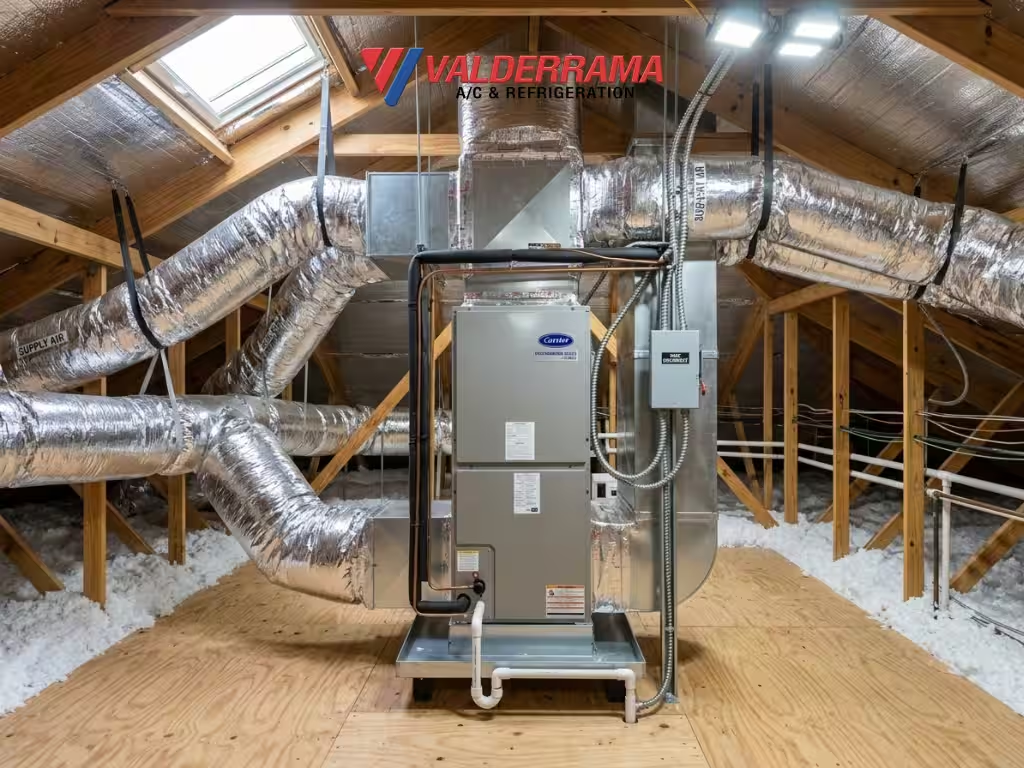
The Core Breakdown: Heating, Ventilation, and Air Conditioning
An HVAC setup is not a single standalone appliance. It is a carefully balanced mechanical loop where several components work together to maintain indoor comfort.
To see how the entire process works, let’s look at each primary function individually:
1. Heating (The Warmth Cycle)
The heating component keeps your property safe and comfortable during sudden seasonal freezes and cold fronts. In traditional setups, heating comes from an indoor furnace powered by natural gas or electricity. The furnace ignites fuel inside a sealed combustion chamber to warm up a metal component called a heat exchanger. An indoor blower fan then pushes return air across this heated surface, distributing warm air through the supply ducts.
In modern high-efficiency configurations, heating is frequently handled by an electric heat pump. Instead of generating heat through combustion, a heat pump operates in reverse—extracting ambient heat energy from the outdoor air (even in near-freezing temperatures) and transferring it inside without burning any fuel.
2. Ventilation (The Air Quality Cycle)
Ventilation is often overlooked, yet it plays a critical role in your daily health and respiratory comfort. Modern homes are tightly sealed to prevent conditioned air from escaping, but this tight construction traps airborne dust, pet dander, volatile organic compounds (VOCs), and moisture inside.
Ventilation manages this through two primary methods:
- Air Filtration: As air is pulled through return grilles, pleated filters capture floating dust, pollen, and debris before they reach your system’s sensitive internal components or circulate through your living spaces.
- Air Exchange: Dedicated ventilation equipment, such as energy recovery ventilators (ERVs) or mechanical fresh-air dampers, exhausts stale indoor air and brings in filtered outdoor air to maintain healthy oxygen levels and keep humidity under control.
3. Air Conditioning (The Heat Removal Cycle)
A common misconception is that an air conditioner creates “cold air.” In reality, cooling is an extraction process: the system removes heat energy from inside your home and dumps it outdoors.
This heat transfer relies on a continuous closed loop of chemical compound called refrigerant:
- Warm indoor air is blown across a cold aluminum-and-copper evaporator coil inside the home.
- The refrigerant inside the coil absorbs the heat energy from the passing air, cooling the air down before it is pushed back into your rooms.
- The heated refrigerant travels outside to the compressor, which pressurizes the gas and sends it into the condenser coil.
- An outdoor fan blows outside air across the condenser fins, releasing the absorbed heat into the atmosphere. The cooled refrigerant then cycles back inside to repeat the process.
Anatomy of a Central Split HVAC System
Most residential and light commercial properties rely on a split system, meaning the equipment is divided between an indoor cabinet and an outdoor unit.
Here are the key components that keep this network running:
- Thermostat: The brain of the system. It monitors ambient room temperature and signals the heating or cooling equipment to cycle on or off based on your set point.
- Air Handler / Furnace: The indoor unit (usually located in an attic, closet, or garage) that houses the blower motor, electrical controls, and the heating elements or evaporator coil.
- Evaporator Coil: The indoor coil where refrigerant expands, cools, and absorbs heat and moisture from your indoor air.
- Condenser Unit: The metal cabinet sitting outside that houses the compressor, condenser fan, and condenser coils responsible for expelling heat.
- Refrigerant Lines: Insulated copper tubing that circulates refrigerant between the indoor evaporator coil and the outdoor condenser.
- Ductwork: A network of sheet-metal or flexible insulated tubes that distributes conditioned air to each room (supply ducts) and carries stale air back to be re-filtered and re-conditioned (return ducts).
For an overview of how these residential and commercial heating, cooling, and air quality systems are engineered to work together, explore the comprehensive lineup on the Valderrama A/C & Refrigeration home base to see full system options.
The Houston Factor: How Relentless Moisture and Heat Strain Equipment
Where you live dramatically affects how hard your heating and cooling equipment has to work, and Southeast Texas presents one of the most demanding operating environments in the nation.
Houston’s heat and humidity place extreme strain on AC systems. Because our local cooling season frequently stretches across ten months of the year, equipment here logs double or triple the annual run-hours of systems in northern states.
Furthermore, our coastal climate carries a heavy “latent heat load.” This means your air conditioning system cannot simply lower the temperature reading on your thermostat; it must also act as a high-capacity dehumidifier, pulling hundreds of gallons of moisture out of your indoor air every week.
When high humidity mixes with intense summer heat, an improperly maintained or poorly sized unit will struggle to keep up. If an air conditioner is oversized, it will cool the home down too fast and shut off before removing humidity (a problem known as short-cycling). This leaves rooms feeling cool but damp and clammy, creating an ideal breeding ground for biological mold growth inside your ductwork and air handler.
Causes of System Breakdown: Why Equipment Fails Early
When an HVAC setup breaks down unexpectedly, the failure can usually be traced back to a few common underlying issues:
- Airflow Starvation (High Static Pressure): Neglected air filters or blocked return vents restrict airflow across the evaporator coil. Without enough warm air passing over the cold coil, the refrigerant cannot absorb heat, causing the coil to freeze into a solid block of ice and straining the blower motor.
- Electrical Wear and Tear: Searing summer heat causes electrical components inside the outdoor condenser—such as contactors and dual run capacitors—to run hot. Over time, these parts degrade, leading to hard-starting compressors, tripped breakers, or burned-out fan motors.
- Slime and Algae in Drain Lines: Because your system extracts massive amounts of moisture from the air, the condensation drain pan is constantly wet. Dust and biological spores can build up in the drain line, forming a thick clog. When water backs up, safety float switches will shut down the entire system to prevent ceiling leaks.
Symptoms: 5 Signs You Need HVAC Service
Watch for these five common warning signs that your heating and cooling equipment needs professional attention:
- Weak or Inconsistent Airflow: The blower fan runs, but very little air comes out of the supply vents, or certain rooms remain significantly warmer than others.
- Sudden Spikes in Electric Bills: Your monthly energy costs jump dramatically compared to the same month last year, even though your household usage has not changed.
- Unusual Rattling, Squealing, or Grinding Noises: Mechanical scraping, banging, or persistent high-pitched whistling coming from the indoor air handler or outdoor condenser.
- Persistent High Indoor Humidity: The thermostat reads 72°F, but the air feels sticky, heavy, and clammy, or you notice moisture building up on your windows.
- Frequent Short-Cycling: The system turns on, runs for three to five minutes, shuts down abruptly, and then kicks back on a few moments later without ever completing a full cooling cycle.
If you manage an office building, retail property, or industrial space, system performance issues can disrupt your business operations and risk expensive inventory loss. Explore our dedicated commercial HVAC services to see how precision commercial engineering protects your business assets.
Simple DIY Checks to Protect Your System
Before calling for service, run through these straightforward checks to rule out simple operational issues:
- Inspect the Air Filter: Pull out your 1-inch or 4-inch filter. Hold it up to a light source; if you cannot see light passing through the pleats, replace it immediately.
- Check the Thermostat Batteries and Settings: Make sure your thermostat is switched to the correct mode (“Cool” or “Heat”), verify the temperature set point is at least three degrees below the current room temperature, and check for a low-battery icon.
- Inspect the Electrical Panel: Head to your breaker box and look for a tripped switch labeled “AC,” “Furnace,” or “Air Handler.” A tripped breaker will sit in the middle position between “On” and “Off.”
- Clear the Outdoor Condenser: Walk around the outdoor unit and clear away grass clippings, fallen leaves, branches, and vines. Keep at least two feet of open clearance on all sides so the fan can pull air freely across the coils.
When to Call a Licensed HVAC Professional
While changing filters and clearing leaves are easy DIY tasks, the core refrigeration and electrical loops inside an HVAC system require certified diagnostic tools and safety training.
Call a licensed mechanical contractor immediately if you encounter:
- A refrigerant leak (indicated by hissing sounds, ice on copper lines, or warm air blowing during cooling mode).
- A burning, acrid, or electrical odor coming from your vents or air handler.
- A repeatedly tripping circuit breaker that shuts off again immediately after being reset.
- Standing water pooling around the indoor furnace or leaking through your ceiling drywall.
Prevention Tips: How to Maximize System Lifespan
A modern HVAC setup is a major investment, and routine care is the most effective way to protect it. Follow these best practices to keep your equipment running smoothly:
- Replace Filters on Schedule: Swap out standard 1-inch filters every 30 to 60 days, and replace heavy-duty 4- to 5-inch media cartridges every 6 to 12 months.
- Flush the Condensate Line: Pour a cup of distilled white vinegar down the primary drain line access T-pipe every few months to break down algae growth before it forms a clog.
- Keep Vents Open: Avoid closing supply registers in unused rooms. Closing more than 10% of your home’s vents increases internal duct pressure, which strains the blower motor and disrupts airflow balance.
- Schedule Biannual Tune-Ups: Have a licensed technician perform a cooling inspection in the spring and a heating safety check in the fall to test capacitors, measure motor amps, and ensure safe operating pressures.
Why Choose Valderrama A/C & Refrigeration?
Keeping your property comfortable, safe, and energy-efficient requires a reliable mechanical partner who understands the unique demands of local architecture and climate. When you work with us, you receive:
- Upfront, Transparent Pricing: We provide detailed, itemized estimates before starting any work—no hidden dispatch fees, surprise surcharges, or aggressive sales tactics.
- Licensed and Insured Technicians: Our background-checked team is systematically trained in building science, dynamic airflow balancing, and the latest SEER2 efficiency standards.
- Comprehensive Mechanical Service: From straightforward seasonal tune-ups to complete multi-zone duct and equipment replacements, we deliver durable, code-compliant solutions built to last.
Frequently Asked Questions About HVAC Systems
Q: What is the difference between an air conditioner and an HVAC system?
A: An air conditioner is just one part of an HVAC system. Air conditioning handles cooling and dehumidification, whereas a complete HVAC system integrates cooling, heating (via a furnace or heat pump), and ventilation (ducts, filtration, and fresh-air exchange) into a single comfort network.
Q: How long does an HVAC system typically last in Houston?
A: Due to our high humidity and prolonged summer runtimes, central air systems in our region generally last between 10 and 15 years. In milder northern climates, systems may reach 15 to 20 years. Consistent biannual maintenance is the most reliable way to reach the upper end of that range.
Q: What do SEER2 ratings mean when shopping for a new system?
A: SEER2 stands for Seasonal Energy Efficiency Ratio 2. It measures how efficiently a cooling system converts electricity into cooling power under updated, realistic duct static pressure testing. Higher SEER2 ratings mean lower monthly electrical consumption.
Q: Can an HVAC system help relieve indoor allergies?
A: Yes. When paired with high-efficiency filters (rated MERV 11 to 13), whole-home dehumidifiers, or in-duct air purifiers, your HVAC system captures fine airborne particles like dust mites, pollen, mold spores, and pet dander every time the blower fan runs.
Q: Should I set my thermostat fan to “On” or “Auto”?
A: In hot, humid climates, it is usually best to keep the fan set to “Auto.” Setting the fan to “On” runs the blower continuously, even when the system is not actively cooling. This can blow moisture sitting on the evaporator coil back into your living areas before it drains away, driving up indoor humidity levels.
Take Control of Your Home Comfort and Efficiency Today
You do not have to put up with uneven temperatures, high energy bills, or worry about unexpected equipment failures during the hottest weeks of the year. Understanding what is an hvac system helps you make informed maintenance decisions, protect your equipment, and keep your property comfortable through every season.
At Valderrama A/C & Refrigeration, we are committed to providing honest assessments, master-level craftsmanship, and dependable service for homes and businesses across the region.
Ready to optimize your comfort and lower your monthly energy costs?
Schedule Your Complete HVAC System Inspection Now!
Call our team today at (281) 974 – 4599 to speak with an experienced comfort specialist and book your service visit!