
The exact answer to what’s the meaning of hvac is Heating, Ventilation, and Air Conditioning. It defines the unified mechanical technology responsible for warming and cooling indoor spaces, regulating relative humidity, and circulating fresh, filtered air throughout residential and commercial properties.
The Mysterious System Behind the Thermostat Screen
It is a sweltering Tuesday afternoon in the middle of a prolonged summer heatwave. You walk over to your wall-mounted digital thermostat, lower the setpoint to 72°F, and wait. Within seconds, you hear a faint mechanical click from the attic crawl space, followed by the familiar hum of the fan outside. Before long, cool air starts pouring through the ceiling grilles, washing away the midday heat.
Most people experience this seamless temperature control every day without giving it a second thought. But the moment an unexplained rattling sound starts in the utility closet, an energy bill doubles unexpectedly, or a home inspector hands over a dense mechanical report, that familiar four-letter acronym suddenly takes center stage.
Understanding what’s the meaning of hvac is about more than just decoding trade jargon. It gives you insight into the most essential, hardworking, and costly mechanical installation in your property. By learning how these interconnected parts condition, purify, and circulate your air, you can spot early signs of wear, prevent expensive breakdowns, and protect your long-term comfort.
Unpacking the Acronym: H, V, and AC
HVAC represents three distinct mechanical processes engineered to function as one cohesive ecosystem. While many people use the term interchangeably with “air conditioning,” the AC unit is only one component of a larger comfort network.
1. Heating (H)
The heating component provides thermal comfort and safety during seasonal cold snaps and winter freezes. In standard setups, warmth is generated by a furnace powered by natural gas, propane, or electrical resistance coils.
The furnace heats an internal metal chamber known as a heat exchanger. A central blower then pushes return air across this hot metal surface, distributing warm air through the supply vents.
In modern energy-efficient designs, heating is often handled by an electric heat pump, which reverses the refrigeration cycle to draw ambient heat energy from the outdoor air and move it indoors without burning fuel.
2. Ventilation (V)
Ventilation is the most overlooked element of the system, yet it directly influences your day-to-day respiratory health. Modern buildings are constructed with tight seals to prevent thermal loss, which inadvertently traps chemical off-gassing, dust, moisture, and indoor air pollutants inside.
Ventilation addresses this through two primary functions:
- Mechanical Air Cleaning: As indoor air cycles through return registers, pleated air filters trap dust mites, animal dander, pollen, and debris before the air reaches internal components or circulates back into living areas.
- Fresh-Air Exchange: Specialized ventilation hardware, including energy recovery ventilators (ERVs) and motorized intake dampers, exhausts stale indoor air and brings in filtered outdoor air to prevent carbon dioxide buildup and balance humidity.
3. Air Conditioning (AC)
Contrary to common belief, air conditioners do not physically generate “cold air.” Instead, they operate as thermodynamic heat extractors, systematically removing thermal energy from your indoor environment and expelling it outdoors.
This process depends on a closed loop of circulating chemical refrigerant:
- Warm indoor air is pulled across a cold, finned metal radiator called an evaporator coil.
- The chemical refrigerant within the coil absorbs the heat energy from the air, simultaneously condensing airborne humidity into liquid water that drains away.
- The heated refrigerant travels outside to the compressor, which pressurizes the gas and pumps it into the condenser coil.
- A high-powered condenser fan forces outdoor air over the exterior fins, shedding the captured indoor heat outside before the cycle repeats.
To explore the full spectrum of heating, cooling, and air filtration solutions engineered for modern properties, review the core service lineup on our Valderrama A/C & Refrigeration home platform.
Anatomy of a Central Split HVAC System
Most residential and light commercial buildings use a split system, meaning the physical equipment is split between an indoor cabinet and an exterior unit:
- Thermostat: The control interface that monitors indoor air temperature and signals the system to call for heating, cooling, or continuous fan operation.
- Indoor Air Handler or Furnace: The indoor cabinet (typically installed in an attic, mechanical closet, or basement) housing the blower fan motor, electrical control boards, and either the evaporator coil or combustion furnace.
- Evaporator Coil: The internal tubing array where liquid refrigerant expands, drops to freezing temperatures, and extracts heat from your indoor airflow.
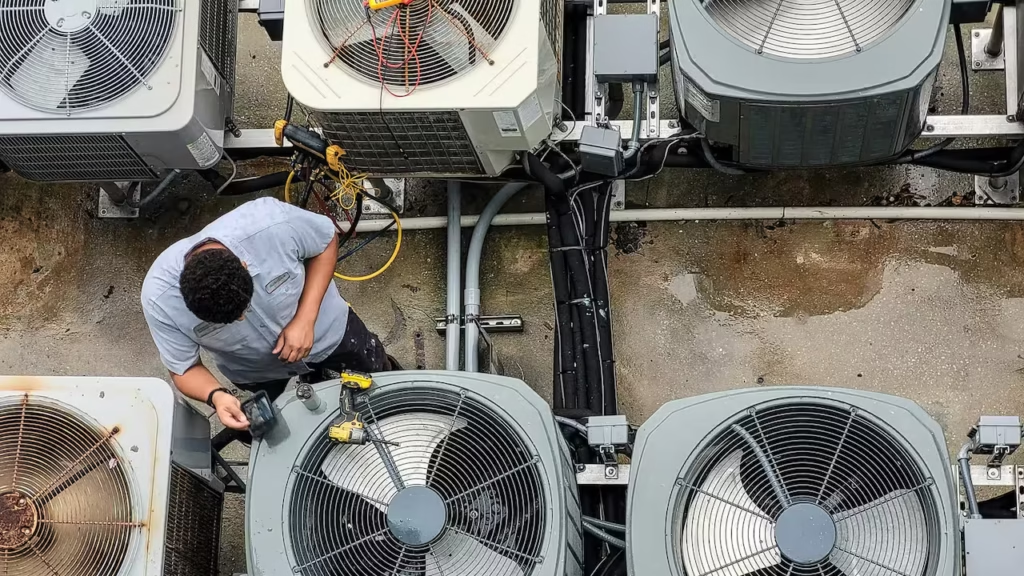
- Outdoor Condenser Unit: The exterior metal cabinet containing the compressor, outdoor fan motor, and condenser coil that expels indoor heat.
- Copper Refrigeration Lines: Two insulated lines that cycle high-pressure and low-pressure refrigerant between the indoor and outdoor coils.
- Ductwork Network: Insulated sheet metal or flexible tubing that channels conditioned air to supply vents and returns stale air back to the equipment.
The Houston Factor: Why Regional Heat and Humidity Accelerate Wear
The climate where you live has a direct impact on the workload, efficiency, and lifespan of your HVAC equipment. In Southeast Texas, mechanical systems face some of the harshest operating conditions in the country.
Houston’s heat and humidity place extreme strain on AC systems. With summer conditions extending across most of the year, a central cooling system in this region runs double or triple the operational hours of a comparable unit in the northern United States.
Furthermore, coastal air carries an intense “latent heat load.” Your air conditioner cannot focus solely on lowering the sensible temperature displayed on your thermostat; it must also act as a heavy-duty dehumidifier, wringing hundreds of gallons of moisture out of your indoor air every week.
When continuous triple-digit heat indexes collide with high relative humidity, poorly maintained or incorrectly sized systems struggle quickly. If an AC unit is oversized, it cools rooms down too fast and shuts off before it can pull moisture from the air (short-cycling). This leaves indoor spaces feeling cold and damp, setting the stage for mildew and mold growth inside dark duct pathways and drain pans.
Common Causes of HVAC Equipment Breakdown
When an integrated heating and cooling network suffers an operational failure, the issue typically stems from a few root mechanical causes:
- Restricted Return Airflow (High Static Pressure): A neglected, dust-clogged air filter acts like a mechanical choke point. Starved of adequate airflow across the evaporator coil, the refrigerant cannot absorb enough heat, which causes coil temperatures to plunge below freezing and encases the system in ice.
- Degraded Electrical Components: Sustained heat causes capacitors and contactor switches inside the outdoor condenser to run under high internal temperatures. Over time, their electrical storage capacity degrades, leading to hard starts, tripped breakers, and eventual motor burnout.
- Blocked Condensate Drain Lines: Because an AC system pulls massive volumes of water from humid air, the primary drain pan stays constantly wet. Dust, skin cells, and biological algae collect in the standing water, forming a thick gelatinous clog that trips safety float switches and floods surrounding ceilings.
5 Signs You Need [HVAC] Diagnostic Service
Watch for these five clear mechanical and environmental warning signs that your heating and cooling equipment needs professional attention:
- Weak or Lukewarm Vent Airflow: The indoor blower fan is running, but air movement through the ceiling registers feels weak, or certain rooms remain significantly warmer than others.
- Unexplained Utility Bill Surges: Your electric statements show a sharp, unexplained increase in energy consumption compared to the same month last year under similar weather conditions.
- Loud Mechanical Rattles, Squeals, or Grinding: The indoor cabinet or outdoor condenser produces metallic scraping, sudden banging, or high-pitched squealing when cycling on.
- Persistent Indoor Clamminess and High Humidity: The thermostat reads 72°F, but the air feels sticky, stuffy, and damp, or condensation regularly fogs up your window glass.
- Rapid System Short-Cycling: The system kicks on, runs for three to four minutes, shuts off abruptly, and cycles back on moments later without completing a proper cooling cycle.
If you oversee a corporate facility, warehouse, or retail space, climate disruptions directly threaten customer comfort, worker safety, and sensitive equipment. Review our specialized commercial HVAC service to see how precision commercial maintenance prevents unexpected facility downtime.
Practical DIY Checks to Safeguard Your System
Before calling for technical service, perform these four safe, straightforward homeowner checks to rule out simple operational issues:
- Examine the Air Filter: Slide your return filter out of its slot and hold it up to a light source. If light cannot easily pass through the pleated material, the filter is fully saturated and must be replaced immediately.
- Verify Thermostat Settings and Power: Confirm the thermostat is set to the correct mode (“Cool” or “Heat”), check that the target temperature is set at least three degrees past the room’s current temperature, and ensure the screen does not display a low-battery alert.
- Inspect the Main Electrical Breaker: Go to your home’s breaker panel and look for switches labeled “A/C,” “Furnace,” or “Air Handler.” If a breaker has tripped, it will rest in the middle position between “On” and “Off.”
- Clear the Exterior Unit Clearance: Clear away tall grass, fallen leaves, loose brush, and outdoor storage from the outdoor unit. Maintain at least 24 inches of open clearance on all sides so the condenser fan can pull air freely through the fins.
When to Call a Licensed HVAC Professional
While basic filter changes and perimeter clearing are ideal DIY tasks, the high-voltage circuits and pressurized chemical refrigerant lines require licensed tools, technical diagnostic instruments, and safety training.
Call an authorized HVAC technician immediately if you run into:
- Refrigerant leaks, signaled by hissing noises, ice on the copper lines, or air blowing warm in cooling mode.
- Acrid, burning odors coming from supply registers or the indoor air handler cabinet.
- A circuit breaker that trips instantly every time the system tries to turn on.
- Water pooling around the indoor furnace platform or dripping through drywall ceilings.
Prevention Tips: Maximizing System Longevity and Efficiency
A central HVAC system is a major capital asset, and routine preventative care is the best way to safeguard that investment over its operational lifespan:
- Stick to a Strict Filter Schedule: Replace basic 1-inch pleated filters every 30 to 60 days. If your home has thick 4- or 5-inch media cartridges, inspect them quarterly and replace them every 6 to 12 months.
- Keep Internal Supply Registers Unobstructed: Never close off more than 10% of the supply vents in your home. Closing registers does not save energy; it increases duct pressure, strains the blower motor, and disrupts airflow balance.
- Flush the Condensate Drain Line: Pour a cup of distilled white vinegar into the primary condensate drain line access T-pipe every two to three months to dissolve algae and prevent standing drain clogs.
- Schedule Biannual Professional Maintenance: Have an experienced technician inspect the system twice a year—performing a cooling tune-up in the spring and a heating safety check in the fall.
Why Choose Valderrama A/C & Refrigeration?
Keeping your property comfortable, safe, and efficient requires a dedicated mechanical partner who understands the unique engineering challenges of local architecture and climate. Choosing our family-owned company gives you access to:
- Clear, Upfront Flat-Rate Pricing: We deliver itemized written quotes before starting any mechanical work—eliminating hidden trip charges, unexpected add-ons, or surprise emergency fees.
- Licensed Texas Mechanical Specialists: Our technicians are background-checked, insured, and thoroughly trained in building science, dynamic airflow balancing, and the latest SEER2 efficiency guidelines.
- Complete System Care: From minor electrical switch repairs to complex, multi-zone heat pump and duct installations, we deliver durable, code-compliant solutions built to last.
Frequently Asked Questions About HVAC Systems
Q: What is the main difference between AC and HVAC?
A: Air conditioning (AC) is simply one component of an HVAC system. While an air conditioner is dedicated strictly to cooling and dehumidification, a full HVAC system incorporates heating equipment (such as a furnace or heat pump), air filtration, and ventilation into a single unified setup.
Q: How long does an HVAC system typically last in Texas?
A: Due to long, demanding cooling seasons and heavy regional humidity, central HVAC systems in the Houston area generally last between 10 and 15 years. In milder, drier parts of the country, systems can sometimes reach 15 to 20 years with proper maintenance.
Q: What does a SEER2 rating mean?
A: SEER2 stands for Seasonal Energy Efficiency Ratio 2. It measures how efficiently a cooling system converts electricity into cooling output under updated, real-world static duct pressure testing. Higher SEER2 ratings indicate better energy efficiency and lower monthly electric bills.
Q: What is a heat pump, and how does it fit into HVAC?
A: A heat pump is an all-in-one climate system that replaces both a traditional air conditioner and a furnace. During summer, it pumps heat out of your home to cool it; during winter, it reverses the process, extracting ambient heat from the outside air and moving it indoors.
Q: Should I leave my thermostat fan setting on “Auto” or “On”?
A: In hot, humid climates, you should almost always set the fan to “Auto.” Leaving the fan set to “On” keeps the blower motor running even when the system is not actively cooling, which can evaporate moisture off the wet coil and blow it right back into your living areas before it can drain outside.
Take Control of Your Property’s Climate and Efficiency Today
You do not have to settle for uneven room temperatures, humid indoor air, or surprise mechanical failures in the peak of summer. Knowing what’s the meaning of hvac helps you make informed maintenance choices, protect your home’s air quality, and keep your mechanical infrastructure operating at peak efficiency year after year.
At Valderrama A/C & Refrigeration, we provide honest technical evaluations, skilled mechanical craftsmanship, and dependable service across the region.
Ready to optimize your indoor climate and lower your energy costs?
Schedule Your Precision HVAC System Inspection Now!
Call our team today at (281) 974 – 4599 to speak with an experienced specialist and confirm your service visit!